
+15%
more distance
after one dose
Hyatt, Physiological Reports, 2022 after one dose
Energy levels during training are better. It really does feel like your body is getting the benefits of extra exercise - endurance improved within weeks.
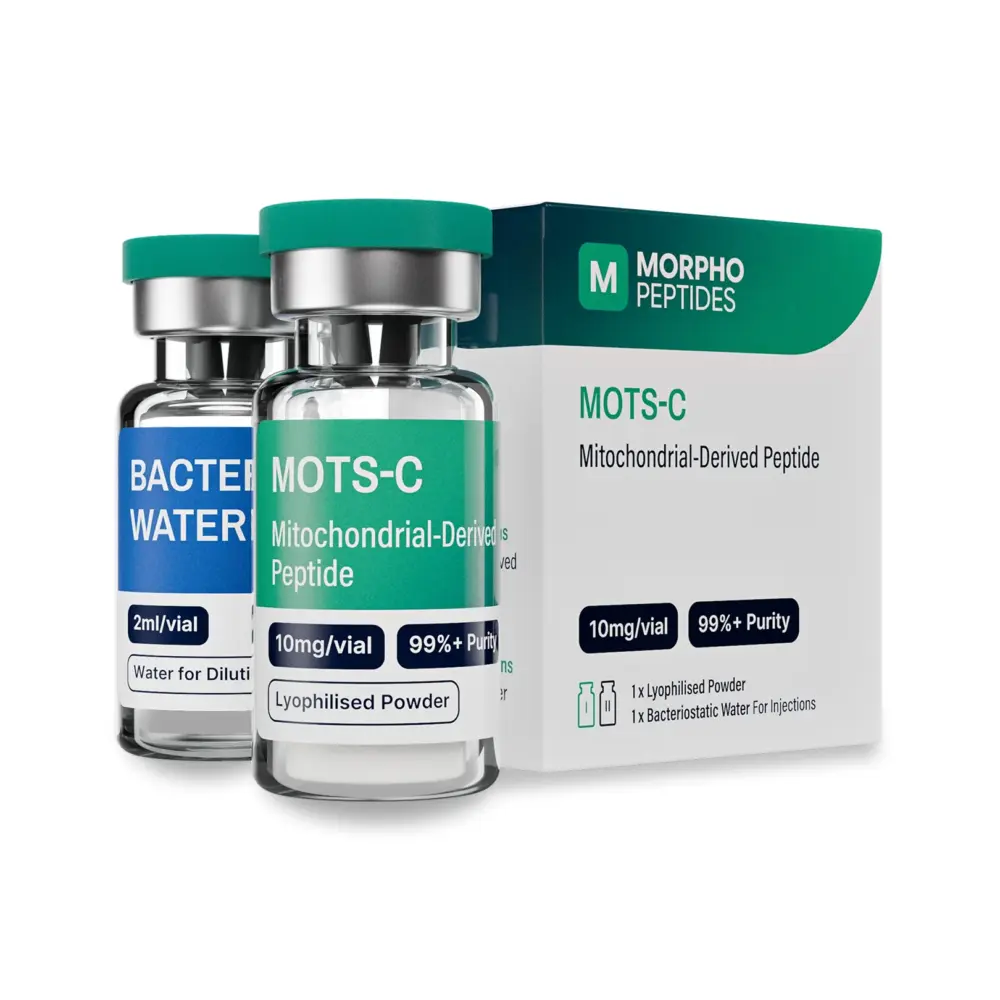
The mitochondrial peptide studied for energy, metabolism and exercise capacity.
 FREE
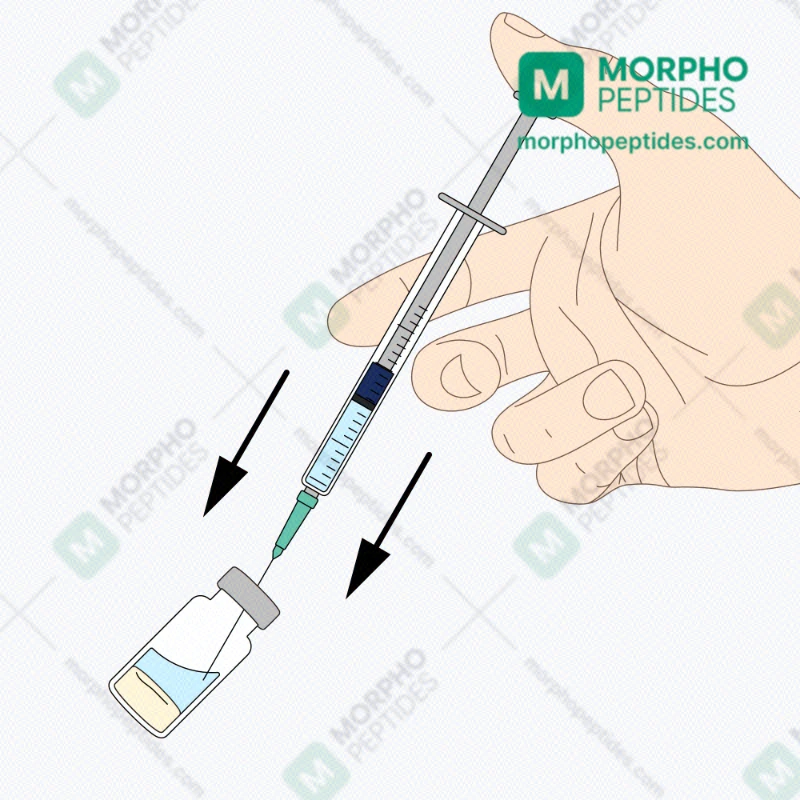 How to use MOTS-c
Our own 17-step illustrated guide, from mixing to storage.
Energy levels during training are better. It really does feel like your body is getting the benefits of extra exercise - endurance improved within weeks.
MOTS-c (Mitochondrial Open Reading Frame of the 12S rRNA-c) is a mitochondrial-derived peptide (MDP) – a signalling molecule encoded within the mitochondrial genome rather than the nuclear genome. Discovered in 2015 by Dr. Changhan David Lee at the University of Southern California, MOTS-c has rapidly become one of the most exciting peptides in the longevity and metabolic optimisation space.
Often called the “exercise mimetic peptide,” MOTS-c activates the same AMPK metabolic pathway that exercise triggers. It promotes glucose uptake, fatty acid oxidation, and mitochondrial biogenesis – essentially mimicking some of the cellular benefits of physical activity. This doesn’t mean it replaces exercise, but rather that it amplifies the metabolic benefits of your existing activity level.
Like many protective molecules, MOTS-c levels decline significantly with age. Circulating MOTS-c decreases as mitochondrial function deteriorates – creating a feedback loop where declining MOTS-c leads to worsening mitochondrial health, which further reduces MOTS-c production. Supplementation aims to break this cycle, restoring youthful mitochondrial signalling and metabolic function.
Research has shown that individuals with naturally higher MOTS-c levels tend to have better metabolic health markers, improved exercise capacity, and greater resilience to age-related metabolic diseases.
MOTS-c appeals to athletes seeking performance optimisation, individuals over 35 noticing declining energy and metabolic flexibility, anyone with insulin resistance or early metabolic syndrome markers, and longevity-focused individuals who want to support mitochondrial health as they age. It pairs exceptionally well with a regular exercise programme.
Nat Commun, 2021. PubMed →
Cell Metab, 2015. PubMed →
J Am Geriatr Soc, 2017. PubMed →
Typically administered once weekly. Because of how it’s studied, it is often discussed alongside regular physical activity.
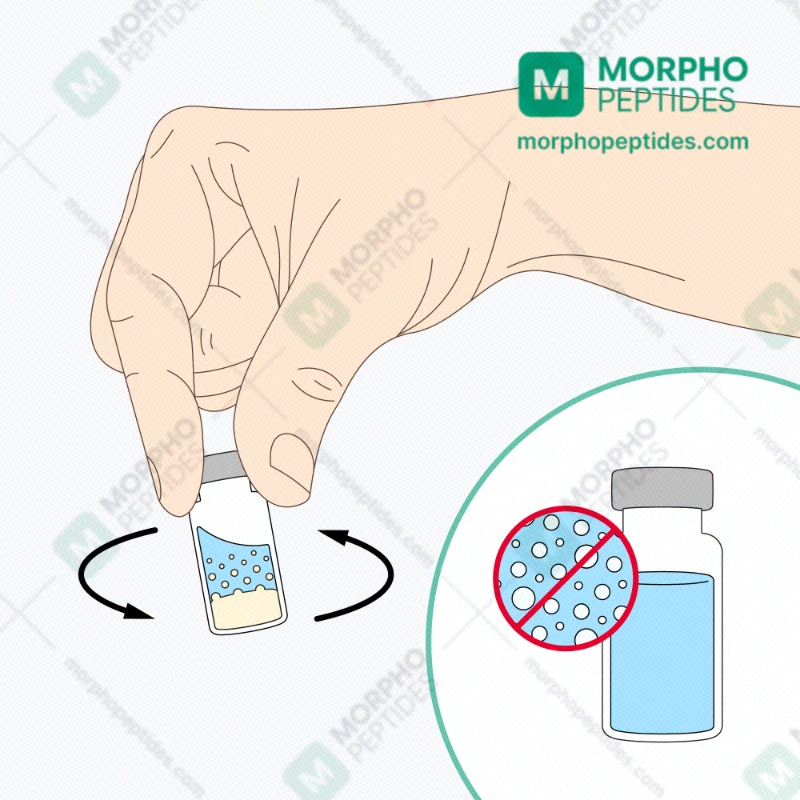
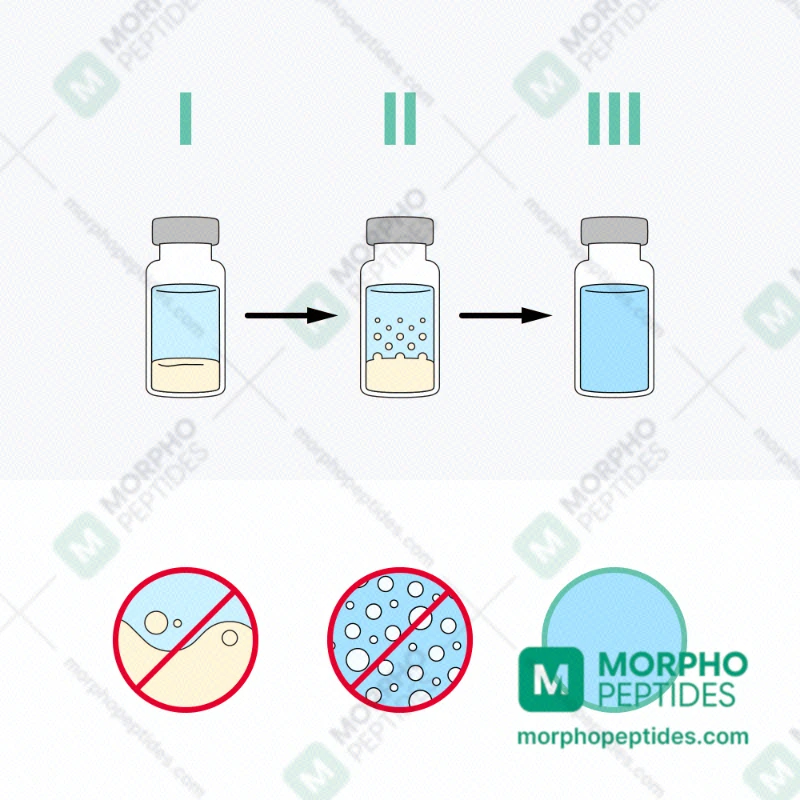
Add 2ml of BAC water to the 10mg vial (5mg/ml). Gently swirl the vial until the powder has fully dissolved.
5–10mg once weekly via subcutaneous injection. Individuals researching or looking to buy MOTS-c online often administer their dose on a training day, either before exercise or shortly afterwards. This approach is based on its interaction with exercise-related metabolic pathways.
Run for 4–8 weeks, then take 4 weeks off. Some users run 2–3 cycles per year. Regular resistance and cardiovascular training are commonly discussed alongside this peptide due to their shared relationship with metabolic and mitochondrial pathways.
Free shipping on orders over £220.
Fat loss + mitochondrial + gut repair - sema core. · 4 Weeks
Untrained mice given a single dose of MOTS-c ran 12% longer and covered 15% more distance in an exercise test.
Mice were immobilised with casting tape for 8 days. Without treatment they lost about 15% of their muscle mass. With daily MOTS-c injections the loss was only 5%.
Kumagai et al., American Journal of Physiology - Endocrinology and Metabolism, 2024MOTS-c prevented the insulin resistance that came with age and with a high-fat diet. It also prevented diet-induced obesity. Its main target appears to be skeletal muscle.
Lee et al., Cell Metabolism, 2015MOTS-c improved physical performance in young, middle-aged and old mice. Treatment started late in life, 3 times a week, still raised physical capacity. In humans, exercise raised the body's own MOTS-c in muscle and blood.
Reynolds et al., Nature Communications, 2021Circulating MOTS-c was lower in middle-aged and older men than in young men. In older men, higher blood levels went with better muscle quality.
D'Souza et al., Aging, 2020Sources: Hyatt JK, Physiological Reports 2022;10(13):e15377; Kumagai H et al., American Journal of Physiology - Endocrinology and Metabolism 2024;326(3):E207-E214; Lee C et al., Cell Metabolism 2015;21(3):443-54; Reynolds JC et al., Nature Communications 2021;12(1):470; D'Souza RF et al., Aging (Albany NY) 2020;12(6):5244-5258
Energy levels during training are better. It really does feel like your body is getting the benefits of extra exercise - endurance improved within weeks.
Interesting peptide for metabolic health. Blood markers improved on my latest panel. Morpho quality is consistent.
Share your experience. Your email won't be published.
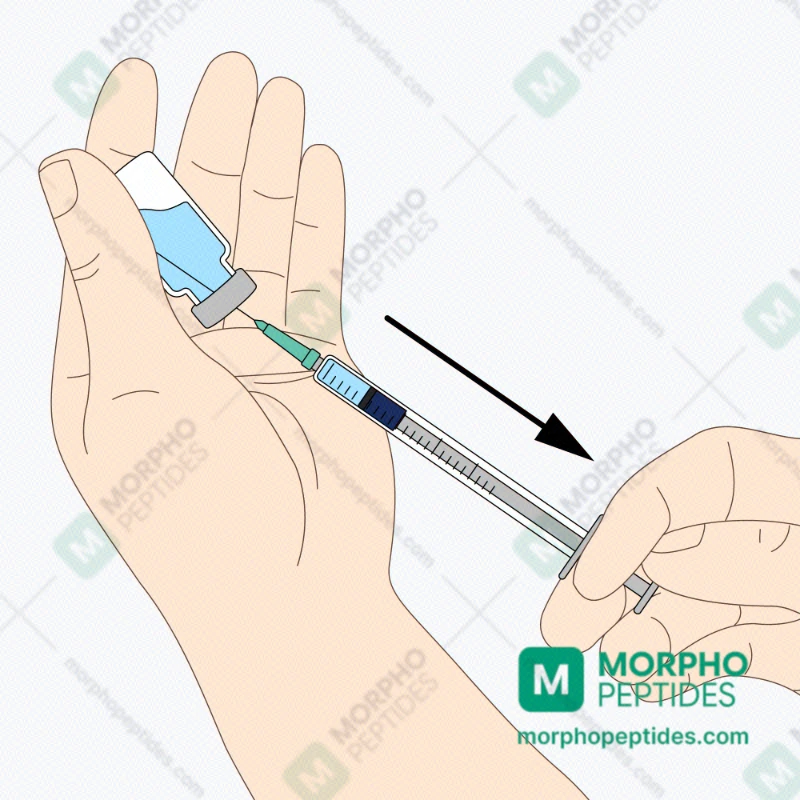
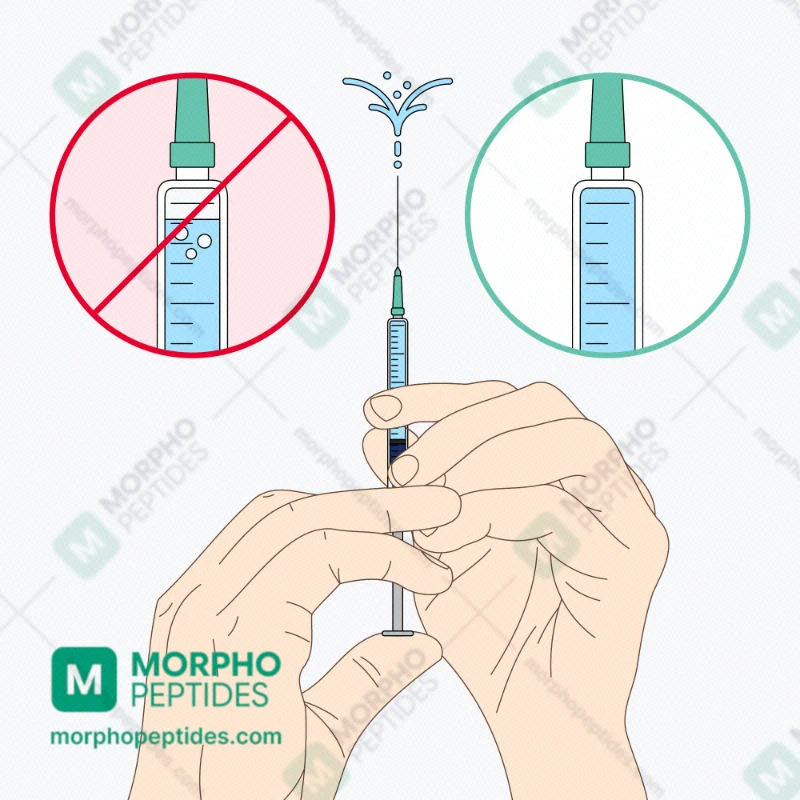
Ready in 4 steps, BAC water included. A complete visual guide to preparing, reconstituting, injecting, and storing your peptides safely. Follow each step in order.
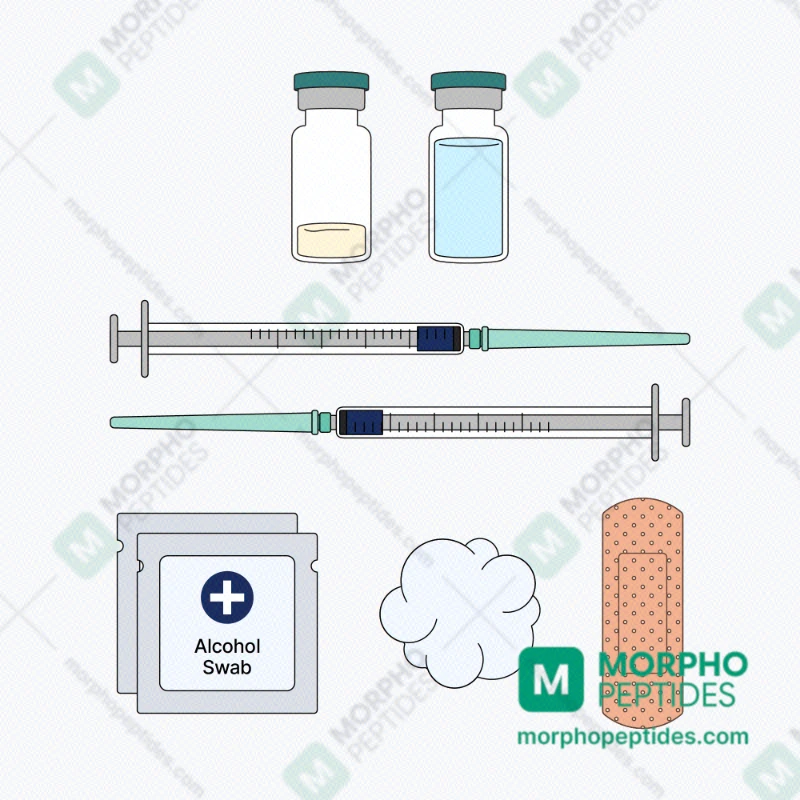
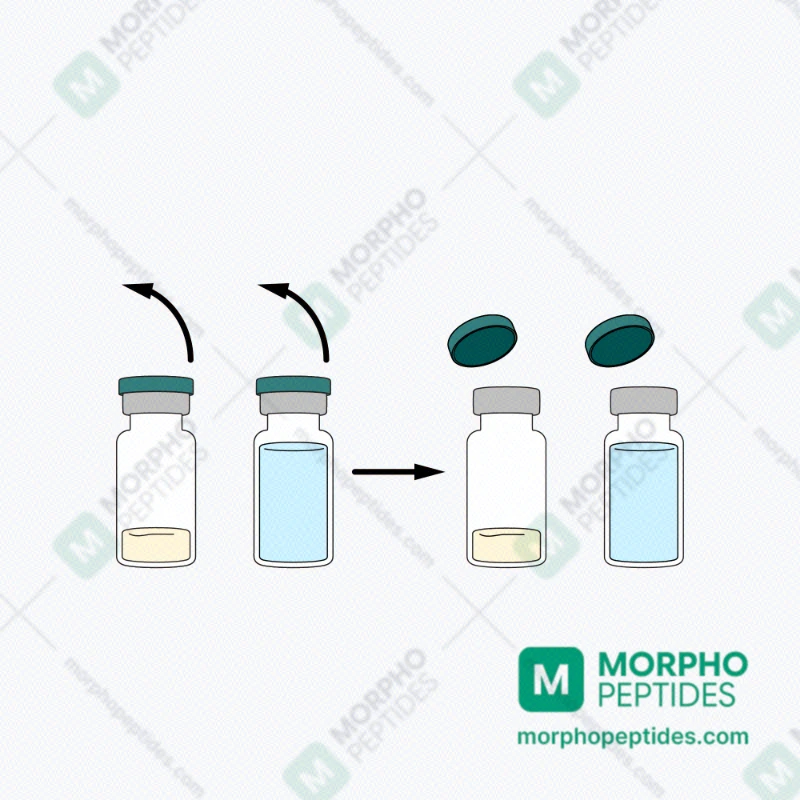

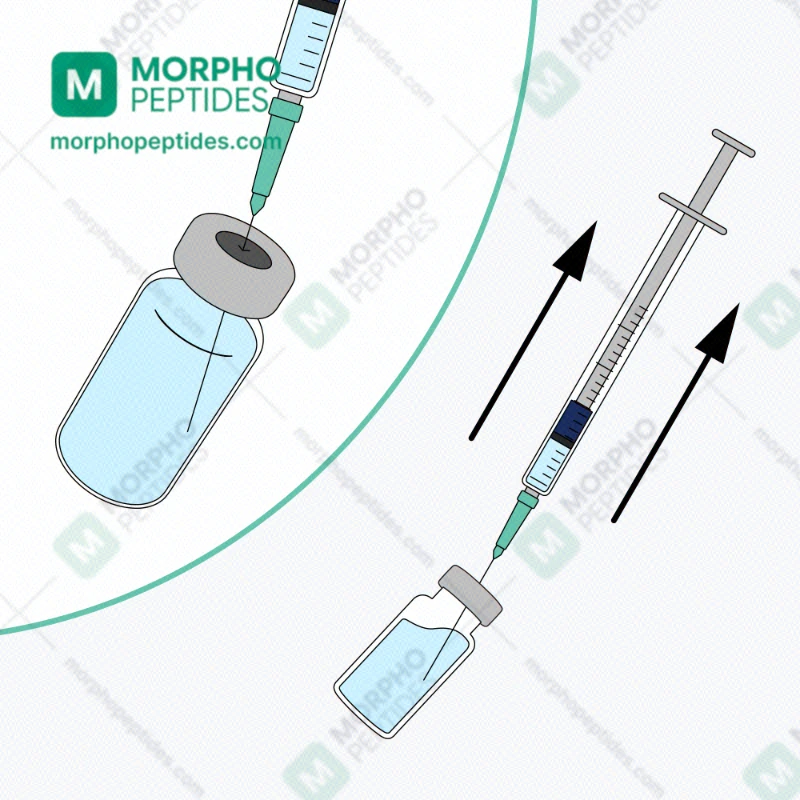







Pre-filled for this product. Adjust values to match your protocol.
Common questions answered