Fine lines around my eyes have softened a lot after a few weeks. My skin feels firmer and looks more even.
Eleonora V. Verified Purchase
4.7 10 reviews

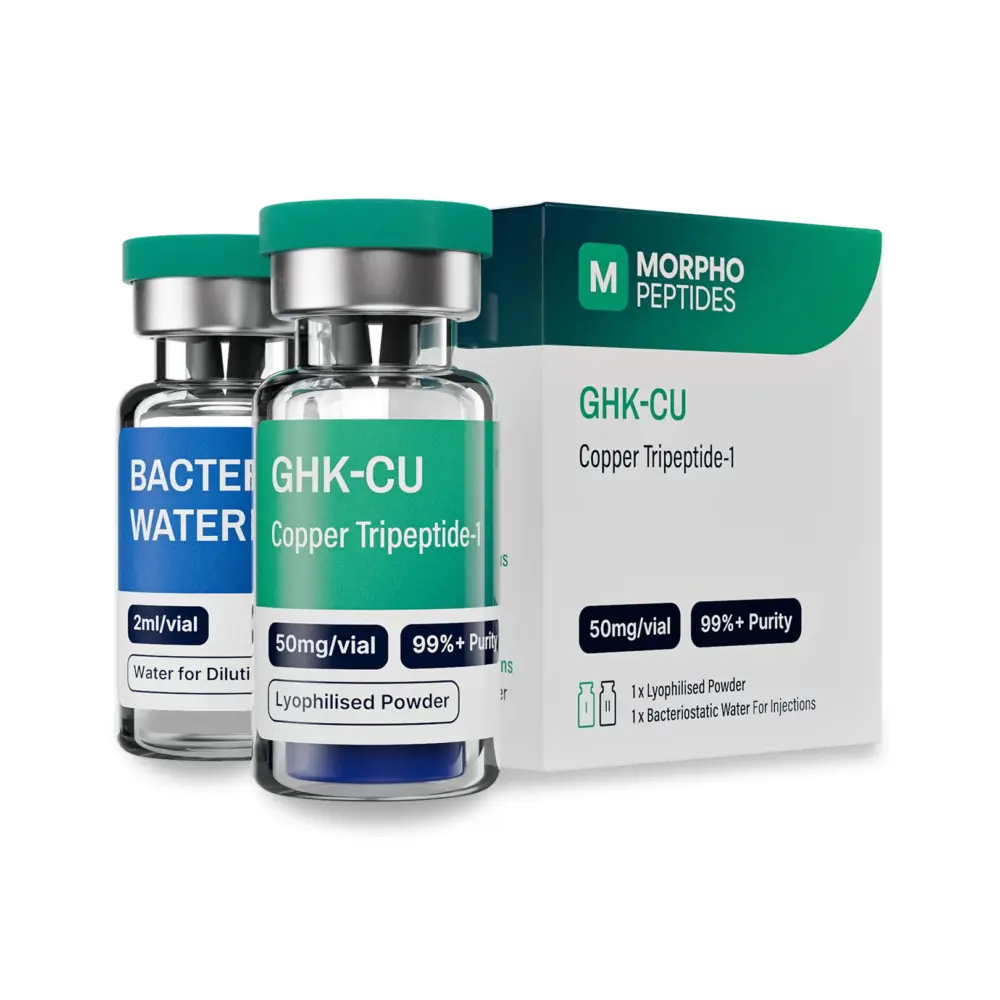
GHK-Cu / Copper Peptide

The copper peptide studied for firmer skin and thicker hair.
  • Boosts collagen and elastin - the proteins that keep skin firm
  • Repairs sun damage and fades age spots
  • Also studied for wound healing and hair growth
99.851% purity PASS Janoshik Analytical, Prague - Batch V3Q8K6
View COA
£20,00
Bacteriostatic water 2ml vial FREE
1 free BAC water with every vial Worth £8 a bottle. Added automatically.
In Stock - Ships within 24h
How to use GHK-Cu / Copper Peptide Our own 17-step illustrated guide, from mixing to storage.
Fine lines around my eyes have softened a lot after a few weeks. My skin feels firmer and looks more even.
Eleonora V. Verified Purchase
Description

What Is GHK-Cu?

GHK-Cu (Glycyl-L-Histidyl-L-Lysine Copper) is a naturally occurring copper-binding tripeptide found in human plasma, saliva, and urine. First identified in 1973, GHK-Cu gained attention when researchers discovered that plasma from young individuals (age 20–25) could stimulate old liver cells to synthesise proteins like young cells – and that GHK-Cu was the active component responsible for this rejuvenating effect.

Your body naturally produces GHK-Cu, but levels decline dramatically with age: from approximately 200 ng/ml at age 20 to just 80 ng/ml by age 60 – a 60% reduction. This decline correlates closely with the visible signs of aging: thinning skin, slower wound healing, reduced collagen production, and declining hair quality. Supplementing with GHK-Cu aims to restore youthful concentrations and reactivate the tissue remodelling processes that slow with age.

The Science Behind GHK-Cu’s Anti-Aging Effects

  • Collagen and elastin synthesis: GHK-Cu is one of the most potent natural stimulators of collagen (types I, III, and V) and elastin production. It increases collagen synthesis by up to 70% in skin fibroblasts, directly improving skin firmness, thickness, and elasticity.
  • Glycosaminoglycan production: It stimulates the production of proteoglycans and glycosaminoglycans (including hyaluronic acid), the molecules that hold moisture in the skin and give it a plump, hydrated appearance.
  • Wound healing acceleration: GHK-Cu attracts immune cells and fibroblasts to wound sites, promotes blood vessel formation, and increases the rate of wound closure. It also modulates metalloproteinases (MMPs) to balance tissue remodelling.
  • Anti-inflammatory gene modulation: Remarkably, GHK-Cu has been shown to modulate the expression of over 4,000 genes – resetting gene expression patterns toward a healthier, more youthful profile. It suppresses genes associated with chronic inflammation while activating those involved in tissue repair.
  • Hair follicle support: GHK-Cu increases hair follicle size, stimulates growth, and prolongs the anagen (growth) phase. It is widely used in topical hair and scalp treatments.
  • Antioxidant and DNA repair: The copper ion in GHK-Cu is essential for the function of superoxide dismutase (SOD), a critical antioxidant enzyme. GHK-Cu also enhances DNA repair mechanisms in skin cells damaged by UV exposure.

Topical vs Injectable GHK-Cu

GHK-Cu is effective through both topical application and subcutaneous injection, but the benefits differ. Topical GHK-Cu primarily benefits the skin: reducing fine lines, improving firmness, fading hyperpigmentation, and accelerating wound healing at the application site. Injectable GHK-Cu provides systemic benefits: whole-body collagen support, systemic anti-inflammatory effects, and support for internal tissue remodelling. Many users do both – topical for targeted skin benefits and injectable for system-wide rejuvenation.

Who Is GHK-Cu For?

GHK-Cu is ideal for anyone concerned with skin aging (fine lines, loss of firmness, dullness), individuals recovering from skin injuries or surgical procedures, those experiencing age-related hair thinning, and anyone over 30 who wants to proactively support their body’s declining natural GHK-Cu production.

Clinical References
GHK Peptide as a Natural Modulator of Multiple Cellular Pathways in Skin Regeneration
Pickart L, Vasquez-Soltero JM, Margolina A

Biomed Res Int, 2015. PubMed →

The Human Tripeptide GHK-Cu in Prevention of Oxidative Stress and Degenerative Conditions of Aging
Pickart L, Vasquez-Soltero JM, Margolina A

Oxid Med Cell Longev, 2012. PubMed →

Collagen-Stimulating Effect of Peptide Amphiphile GHK-Cu
Leyden JJ, Grove GL, Grove MJ, et al.

J Cosmet Dermatol, 2002. PubMed →

Clinical References

  1. Pickart L, Thaler MM. Tripeptide in human serum which prolongs survival of normal liver cells and stimulates growth in neoplastic liver. Nat New Biol. 1973;243(124):85-87. PubMed 4349963
  2. Pickart L, Vasquez-Soltero JM, Margolina A. The human tripeptide GHK-Cu in prevention of oxidative stress and degenerative conditions of aging: implications for cognitive health. Oxid Med Cell Longev. 2012;2012:324832. PubMed 22666519
  3. Pickart L, Vasquez-Soltero JM, Margolina A. GHK peptide as a natural modulator of multiple cellular pathways in skin regeneration. Biomed Res Int. 2015;2015:648108. PubMed 26236730
  4. Dou Y, Lee A, Zhu L, et al. The potential of GHK as an anti-aging peptide. Aging Pathobiol Ther. 2020;2(1):58-61. PubMed 35083444
  5. Maquart FX, Pickart L, Laurent M, et al. Stimulation of collagen synthesis in fibroblast cultures by the tripeptide-copper complex glycyl-L-histidyl-L-lysine-Cu2+. FEBS Lett. 1988;238(2):343-346. PubMed 3169264
  6. Maquart FX, Bellon G, Chaqour B, et al. In vivo stimulation of connective tissue accumulation by the tripeptide-copper complex glycyl-L-histidyl-L-lysine-Cu2+ in rat experimental wounds. J Clin Invest. 1993;92(5):2368-2376. PubMed 8227353
  7. Wegrowski Y, Maquart FX, Borel JP. Stimulation of sulfated glycosaminoglycan synthesis by the tripeptide-copper complex glycyl-L-histidyl-L-lysine-Cu2+. Life Sci. 1992;51(13):1049-1056. PubMed 1522753
  8. Pickart L, Margolina A. Regenerative and protective actions of the GHK-Cu peptide in the light of the new gene data. Int J Mol Sci. 2018;19(7):1987. PubMed 29986520
  9. Pickart L. The human tri-peptide GHK and tissue remodeling. J Biomater Sci Polym Ed. 2008;19(8):969-988. PubMed 18644225
  10. Badenhorst T, Svirskis D, Wu Z. Physicochemical characterization of native glycyl-l-histidyl-l-lysine tripeptide for wound healing and anti-aging: a preformulation study for dermal delivery. Pharm Dev Technol. 2016;21(2):152-160. PubMed 25384620
Product specifications
Dosage
1mg – 2mg daily
Cycle
4–8 weeks
Form
50mg lyophilised powder
Purity
≥98%
Molecular formula
C₁₄H₂₄CuN₆O₄
Storage
Room temperature (below 25°C)
Certificate of Analysis
View COA
Dosing guide

Category-Specific Dosing Guides

This compound is commonly used both topically and by subcutaneous injection. The method chosen often depends on the intended application.

  1. 1

    Reconstitute

    Add 2ml of bacteriostatic (BAC) water to the 50mg vial to achieve a concentration of 25mg/ml. The lyophilized powder dissolves readily. A slight blue tint may be visible due to the copper content and is generally considered normal.

  2. 2

    Injectable Protocol

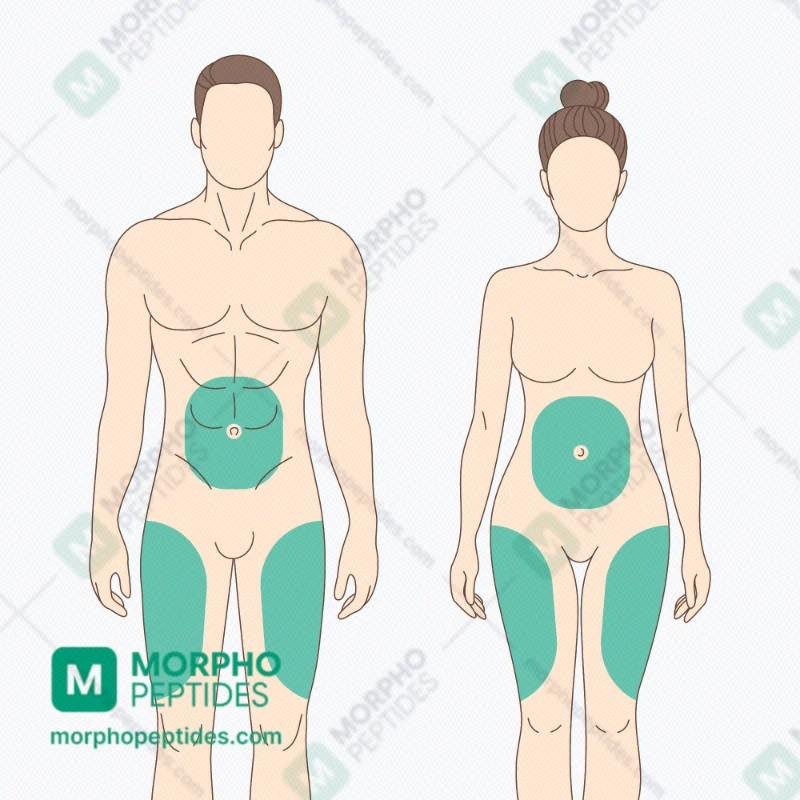
    For injectable use, a typical GHK-Cu / Copper Peptide dosage is 1-2mg daily by subcutaneous injection. The abdominal area is commonly used for administration. Some users also choose sites closer to specific areas of interest. Protocols are often run for 4-8 weeks, followed by a 4-week break before repeating.

  3. 3

    Topical Protocol (Alternative/Additional)

    The peptide may be mixed into a carrier cream or serum for topical application. It is commonly applied to clean skin on the face, neck, or hands once or twice daily. Unlike injectable protocols, topical use is often discussed without a defined cycling schedule.

Shipping and returns

Free shipping on orders over £220.

Longevity Protocol - Standard (~8 wk) Save £56,00

Core longevity stack - cellular, skin, mitochondrial. · Standard (~8 wk)
Epitalon
10× Epitalon 10mg lyophilised powder
£400,00
GHK-Cu / Copper Peptide
2× GHK-Cu / Copper Peptide 50mg lyophilised powder
£40,00
MOTS-c
6× MOTS-c 10mg lyophilised powder
£120,00

Blood levels of GHK drop 60% by age 60

GHK levels in human blood average 200 ng/ml at age 20, and fall to an average of 80 ng/ml by age 60.

Collagen - injected in rats

Collagen rose twice as much as other proteins

Protein1×
Collagen2×

Rats got repeated GHK-Cu injections into a healing wound area. Collagen, protein and DNA built up there, more with higher doses. Collagen synthesis rose twice as much as other proteins. Collagen is the protein that keeps skin firm.

Maquart et al., Journal of Clinical Investigation, 1993
Blood vessels
Human blood vessel cells - lab study

33.1% faster growth of blood vessel cells

GHK-Cu in liposomes made human blood vessel cells multiply at a 33.1% higher rate. The cells also made more VEGF and FGF-2, two growth signals for new blood vessels.

Wang et al., Wound Repair and Regeneration, 2017
Genes
Human gene data - review

Turns 4,000+ human genes up or down

Gene data show GHK can raise or lower the activity of at least 4,000 human genes. Researchers link this to its repair and protective actions in skin.

Pickart et al., BioMed Research International, 2015

Sources: Dou Y et al., Aging Pathobiology and Therapeutics 2020;2(1):58-61; Maquart FX et al., Journal of Clinical Investigation 1993;92(5):2368-2376; Wang X et al., Wound Repair and Regeneration 2017;25(2):270-278; Pickart L, Journal of Biomaterials Science, Polymer Edition 2008;19(8):969-988; Pickart L, Vasquez-Soltero JM, Margolina A, BioMed Research International 2015;2015:648108

Rated 4.7 by verified buyers

Customer rating 4.7 Based on 10 reviews Write a review
2026-04-01

Fine lines around my eyes have softened a lot after a few weeks. My skin feels firmer and looks more even.

Eleonora V. Verified Purchase
2026-03-14

Hair density seems to be improving around the temples. Only 6 weeks in but cautiously optimistic. Great product quality.

Oliver B. Verified Purchase

Leave a Review

Share your experience. Your email won't be published.

0 / 300
Photos (optional)

    Optional · up to 5 photos · JPG, PNG or WebP · max 5 MB each

    How to use GHK-Cu / Copper Peptide

    Ready in 4 steps, BAC water included. A complete visual guide to preparing, reconstituting, injecting, and storing your peptides safely. Follow each step in order.
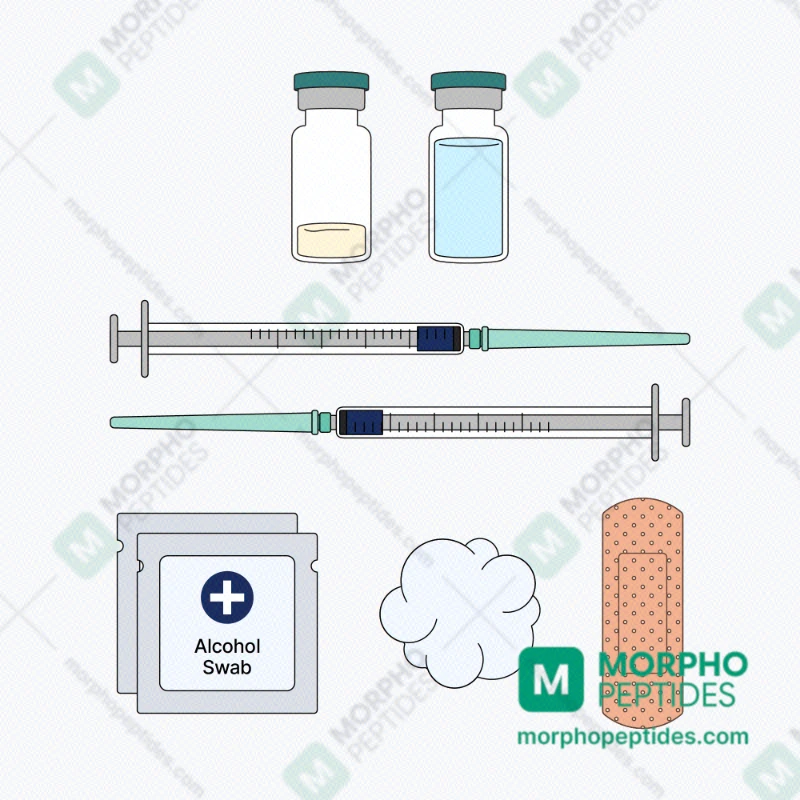
    Step 1: Supplies laid out
    1. Supplies laid out Gather your supplies: peptide vial, bacteriostatic water, syringes, alcohol swabs, cotton ball, and bandage.
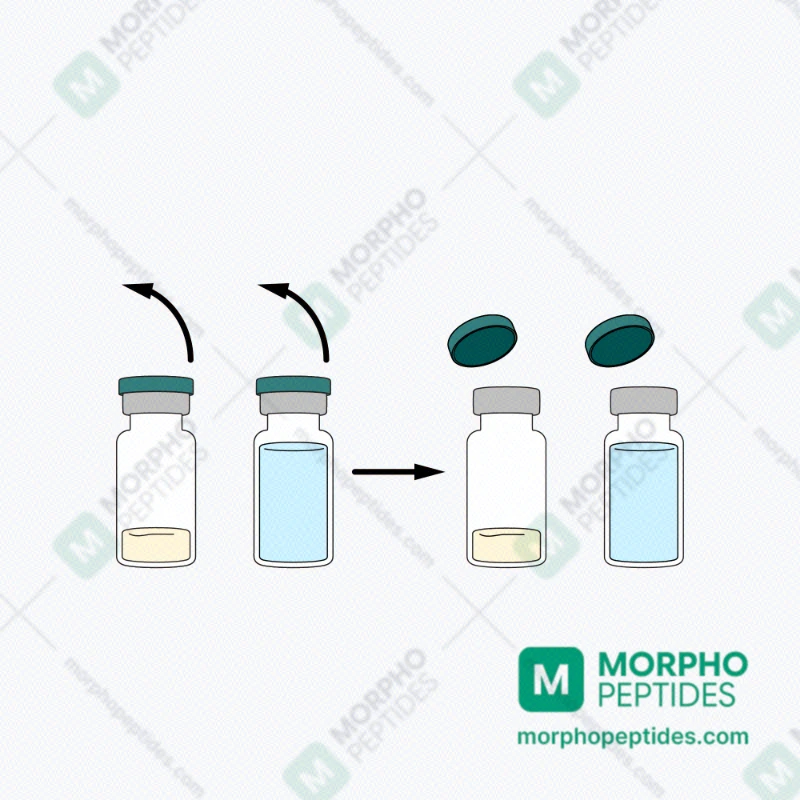
    Step 2: Remove / flip caps
    2. Remove / flip caps Remove the plastic caps from both vials to expose the rubber stoppers.
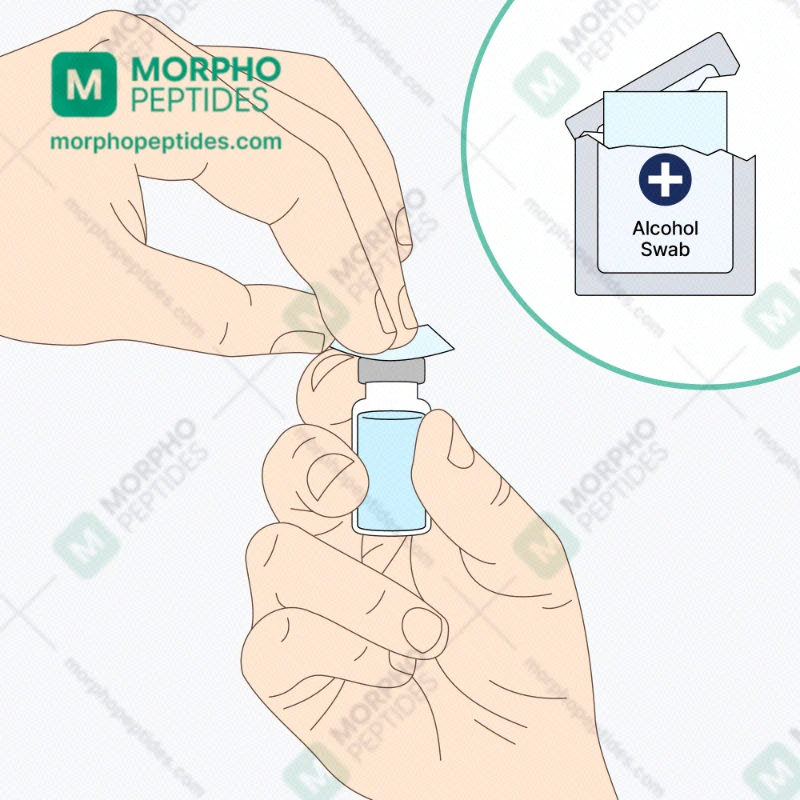
    Step 3: Swab the vial stopper
    3. Swab the vial stopper Wipe the top of each vial with an alcohol swab. Let air-dry.
    Step 4: Draw BAC water
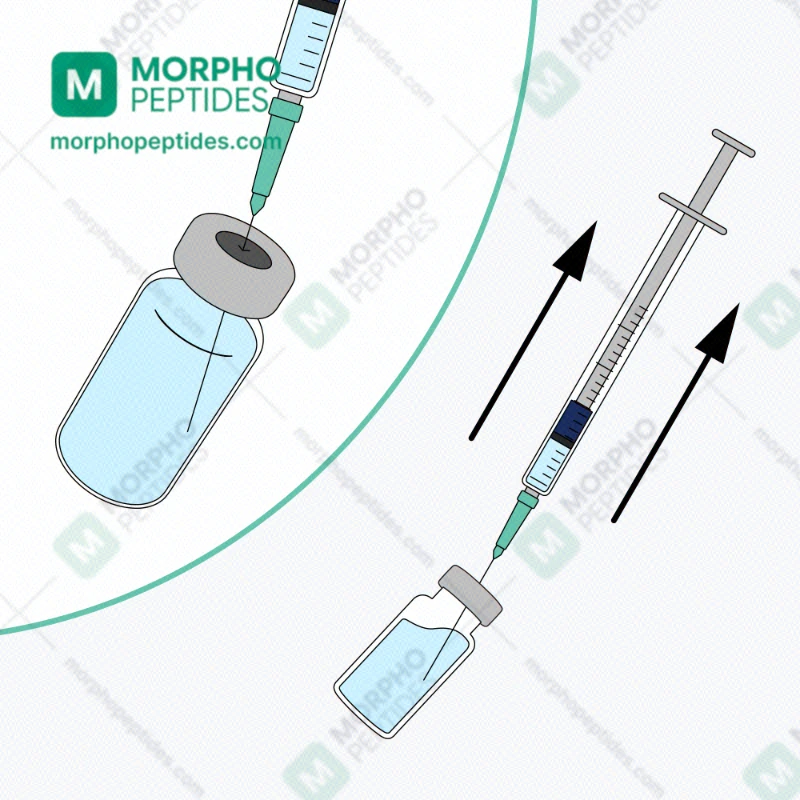
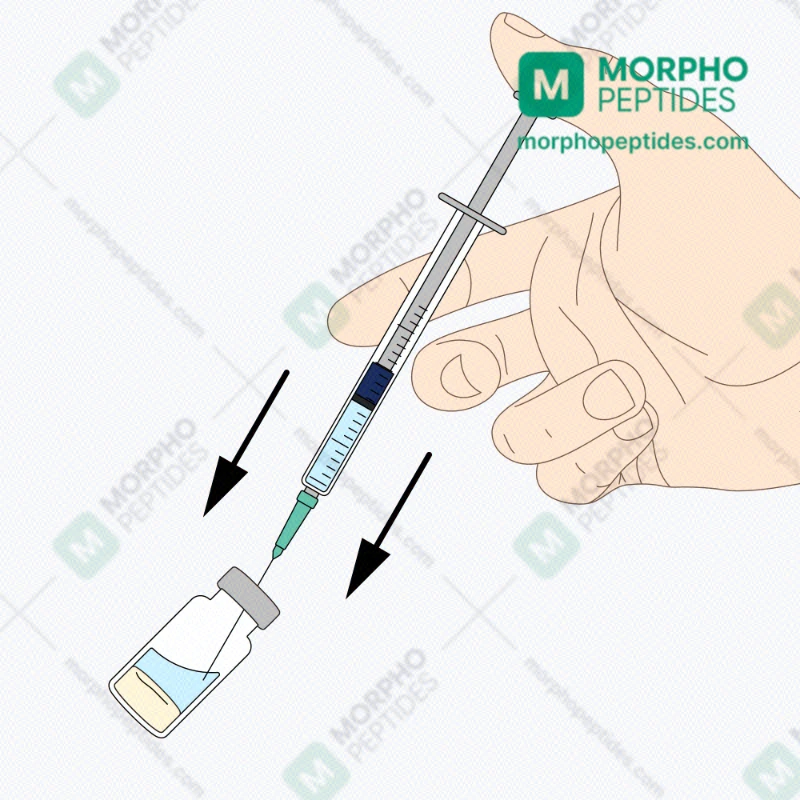
    4. Draw BAC water Draw the required amount of bacteriostatic water into the syringe. Use our calculator if unsure.
    Step 5: Inject water into vial
    5. Inject water into vial Inject the water slowly into the peptide vial, letting it run down the inside wall. Do not spray directly onto the powder.
    Step 6: Swirl to dissolve
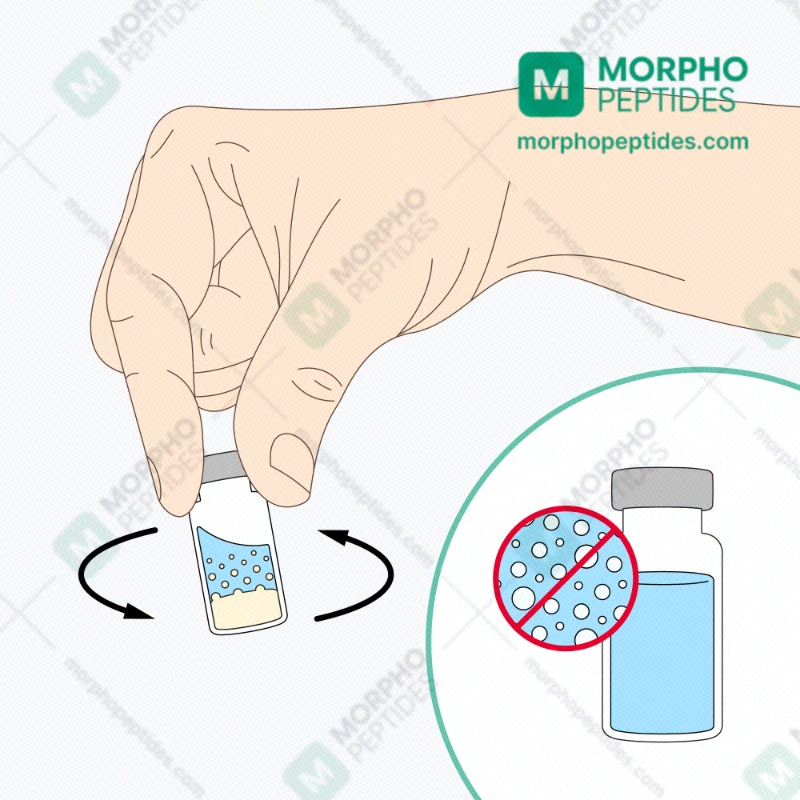
    6. Swirl to dissolve Gently swirl the vial until the powder dissolves. Do not shake.
    Step 7: Check the solution
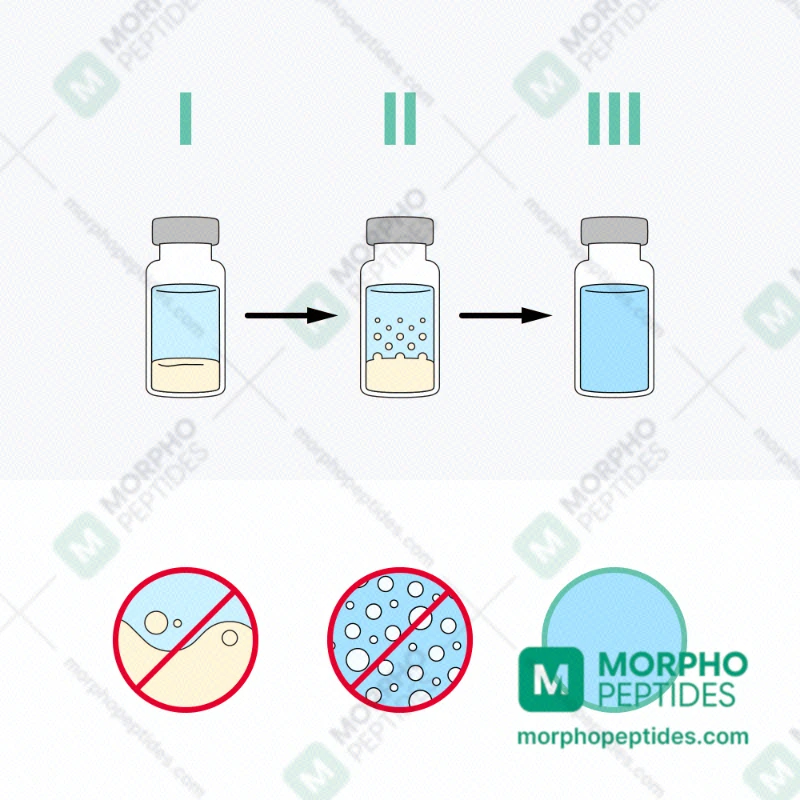
    7. Check the solution Check the solution: no undissolved particles, no bubbles, clear liquid. If not, wait and swirl again.
    Step 8: Draw your dose
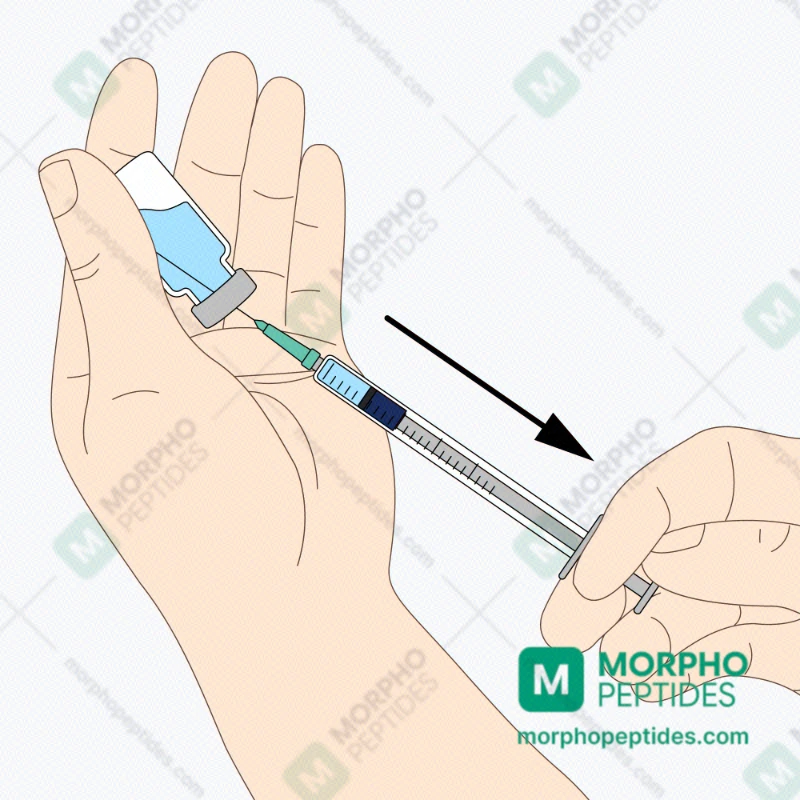
    8. Draw your dose Draw your dose slowly from the reconstituted peptide vial.
    Step 9: Remove air bubbles
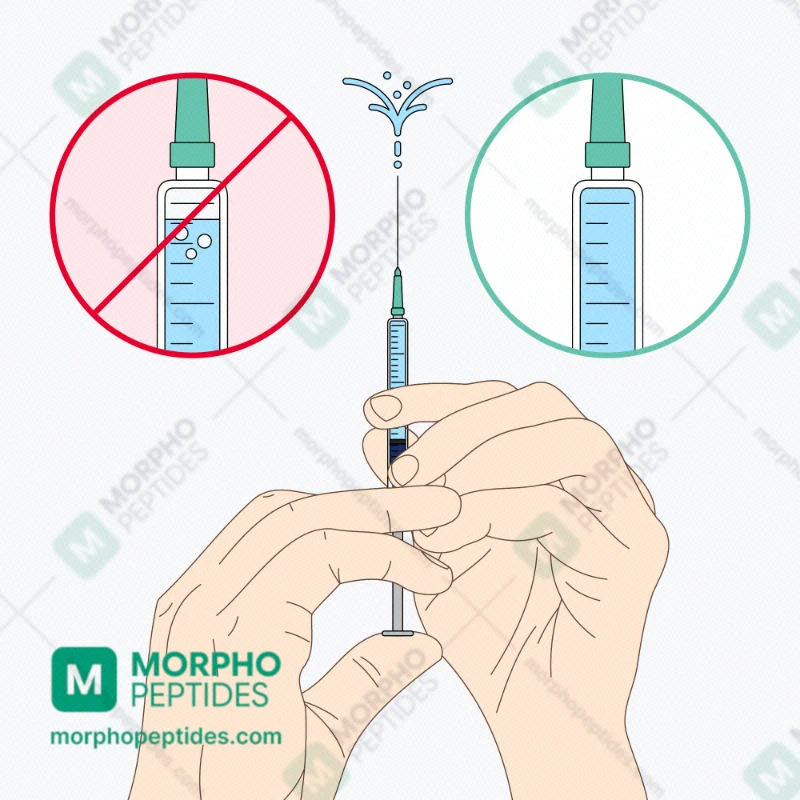
    9. Remove air bubbles Hold the syringe needle-up, flick to move air bubbles to the top, and push the plunger until a small drop appears.
    Step 10: Choose injection site
    10. Choose injection site Choose your injection site: belly fat around the navel or outer thigh. Rotate sites between injections.
    Step 11: Clean the site
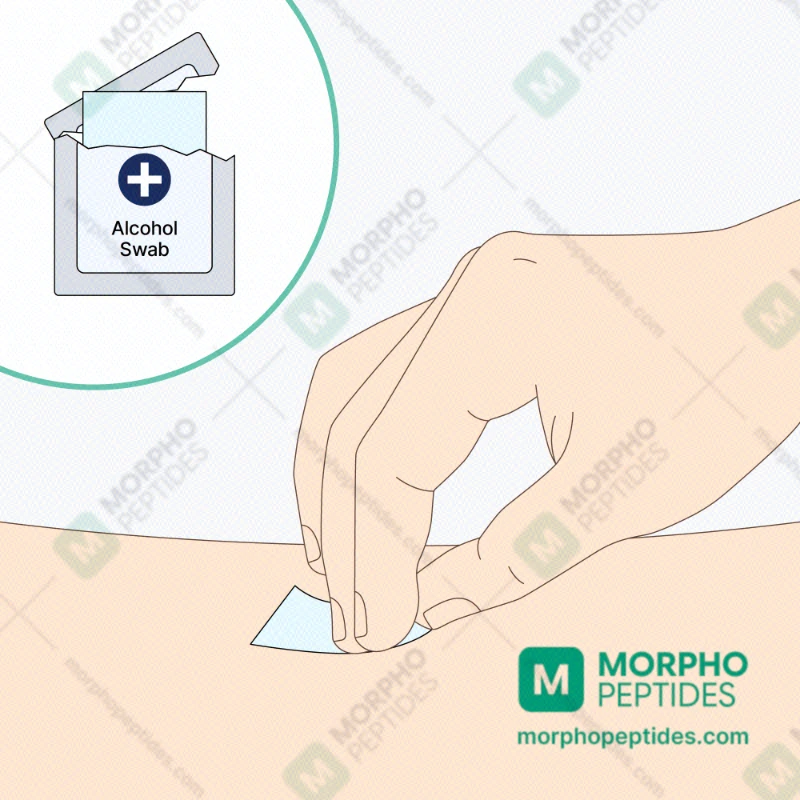
    11. Clean the site Clean the injection site with an alcohol swab.
    Step 12: Pinch skin
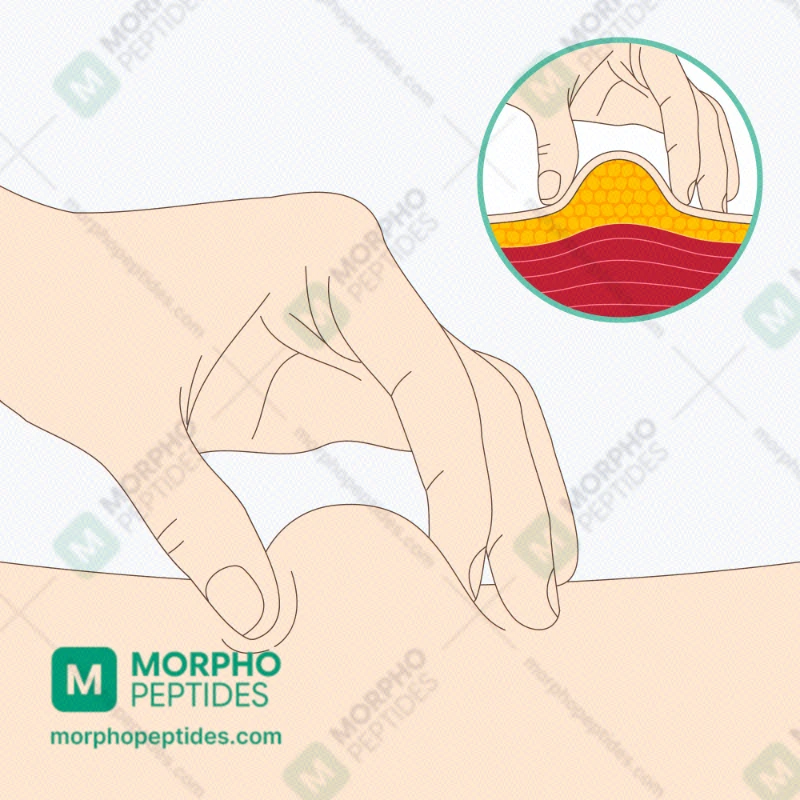
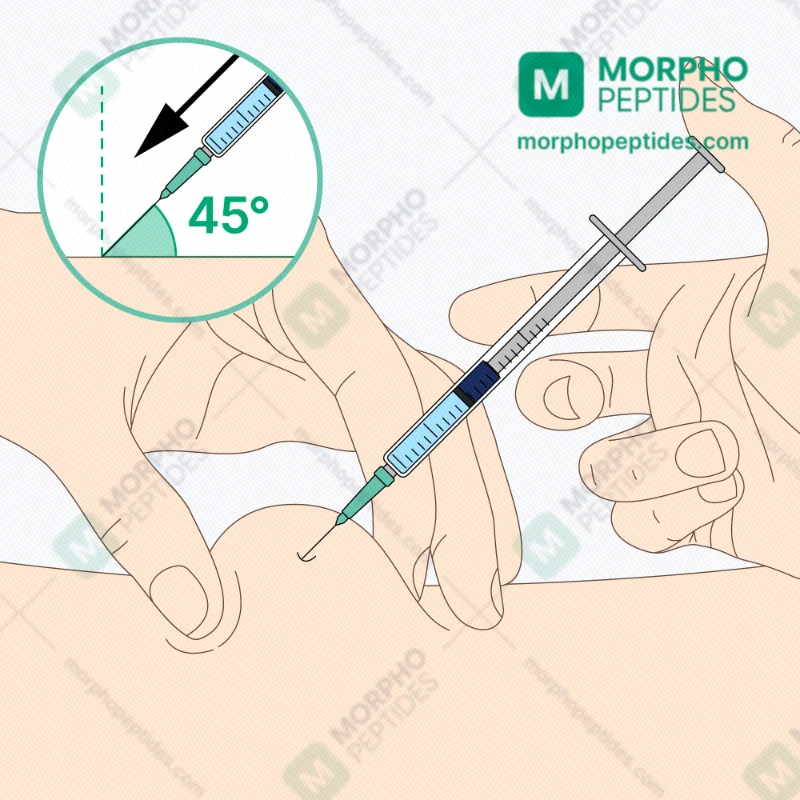
    12. Pinch skin Pinch a fold of skin at the injection site to lift the subcutaneous fatty tissue away from the muscle.
    Step 13: Insert at 45°
    13. Insert at 45° Insert the needle at a 45° angle into the subcutaneous fatty tissue, usually approximately half the needle length. Do not inject into muscle. Inject slowly.
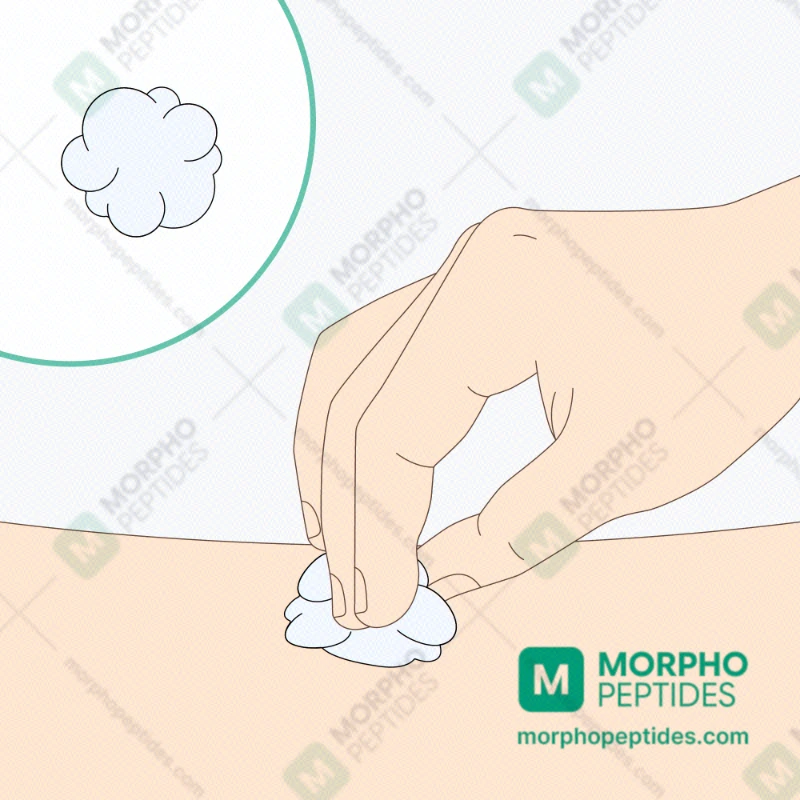
    Step 14: Cotton-ball press
    14. Cotton-ball press Withdraw the needle and press a cotton ball gently on the site for a few seconds.
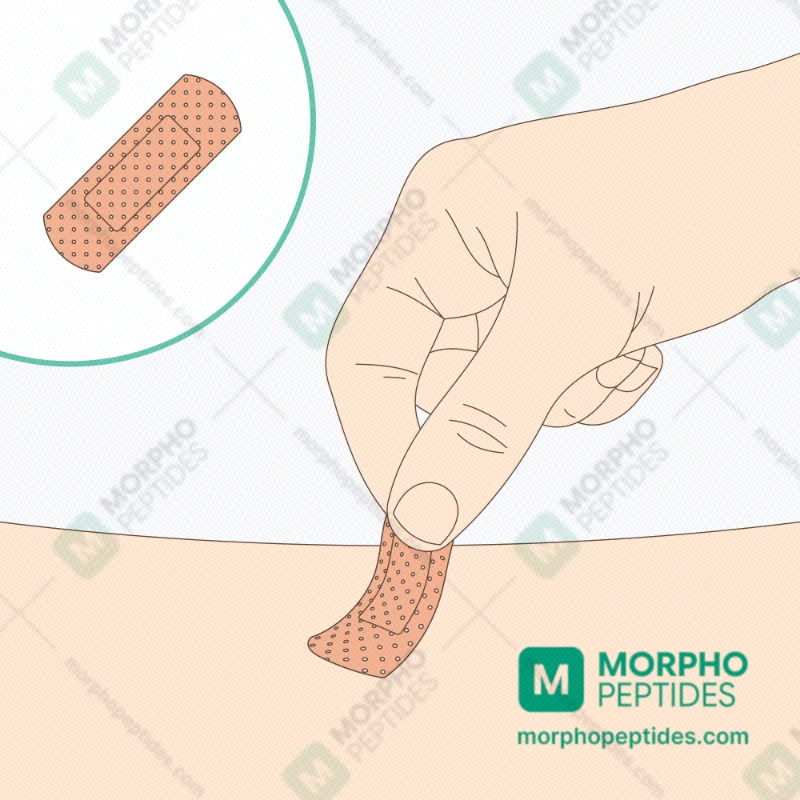
    Step 15: Apply bandage
    15. Apply bandage Apply a small bandage.
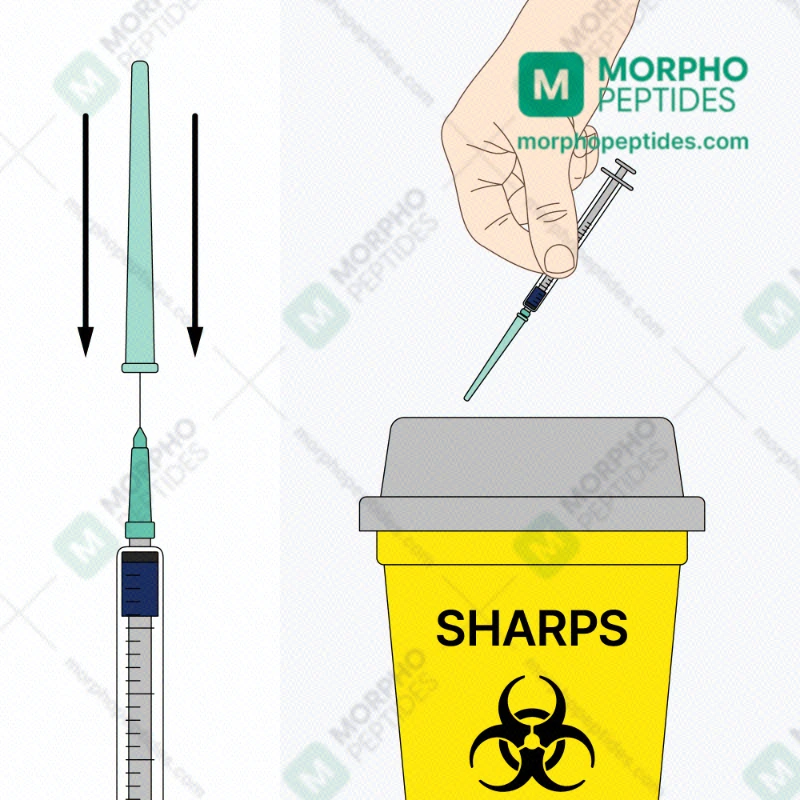
    Step 16: Sharps disposal
    16. Sharps disposal Dispose of the needle in a sharps container.
    Step 17: Storage
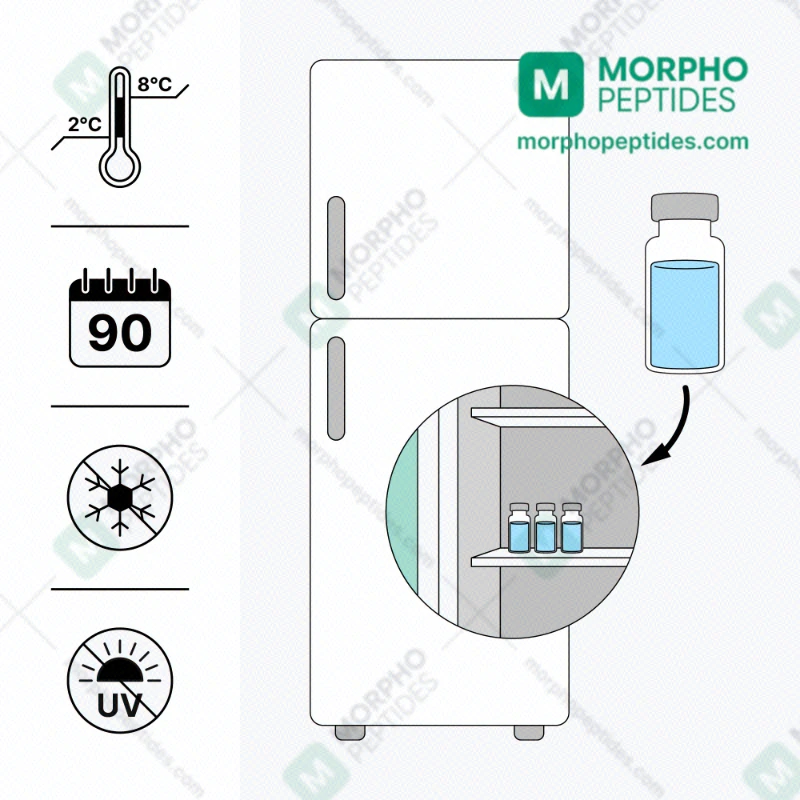
    17. Storage Store reconstituted peptides in the fridge (2-8 °C). Avoid freezing and direct sunlight. Use within 90 days.

    Pre-filled for this product. Adjust values to match your protocol.

    Concentration —
    Volume Per Dose —
    Insulin Syringe Units —
    Total Doses Per Vial —
    Open full calculator

    Frequently Asked Questions