
91.6%
of 12 patients
had significant relief
Lee & Padgett, Alternative Therapies in Health and Medicine, 2021 had significant relief
My knee tendon issue improved noticeably within 2 weeks. This is my go-to recovery peptide now.
The gastric peptide studied for tendon, gut and wound repair.
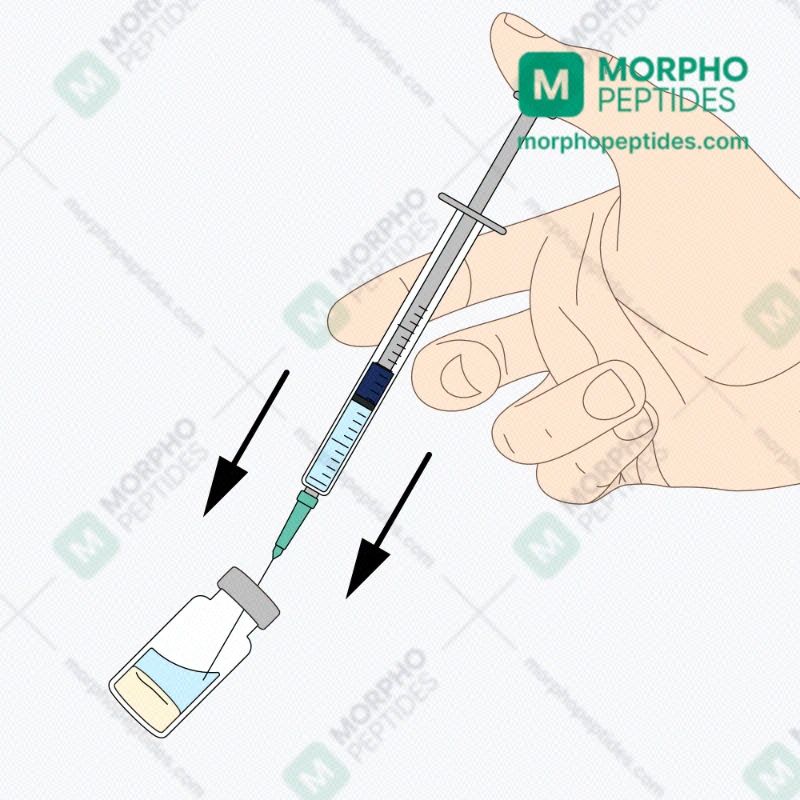 How to use BPC-157
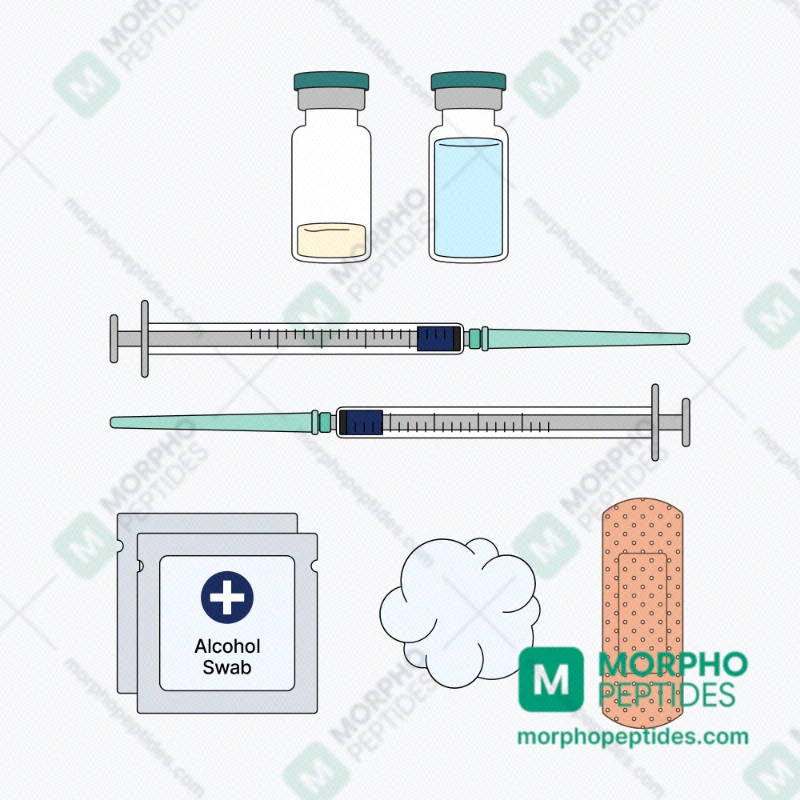
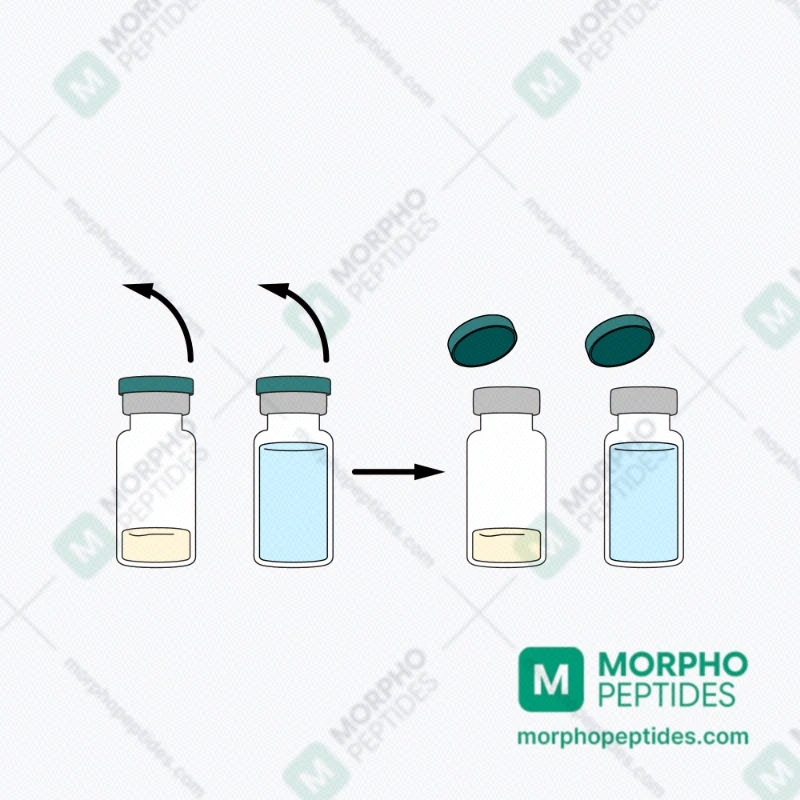
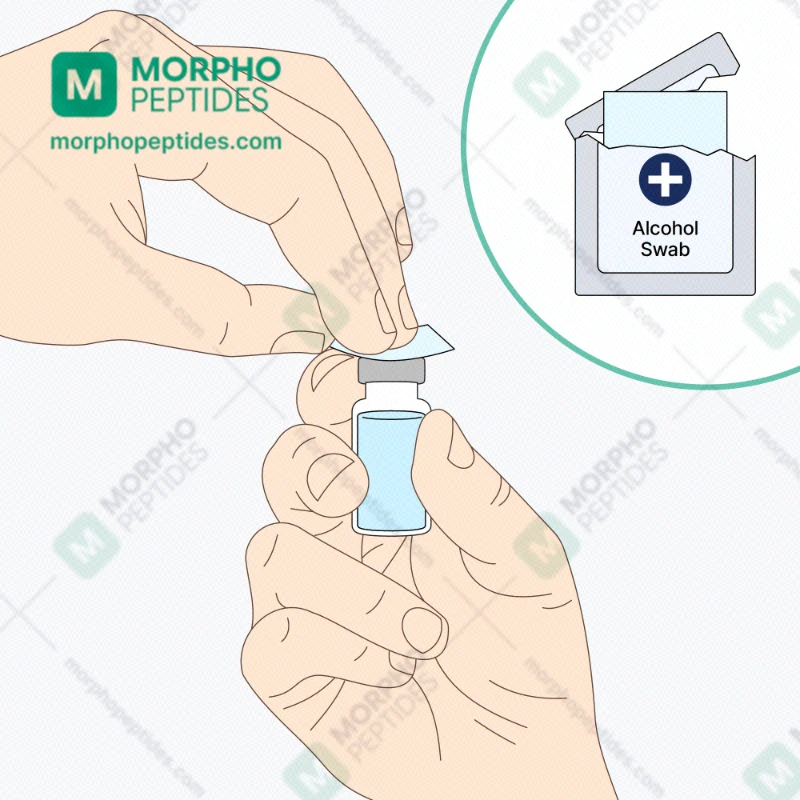
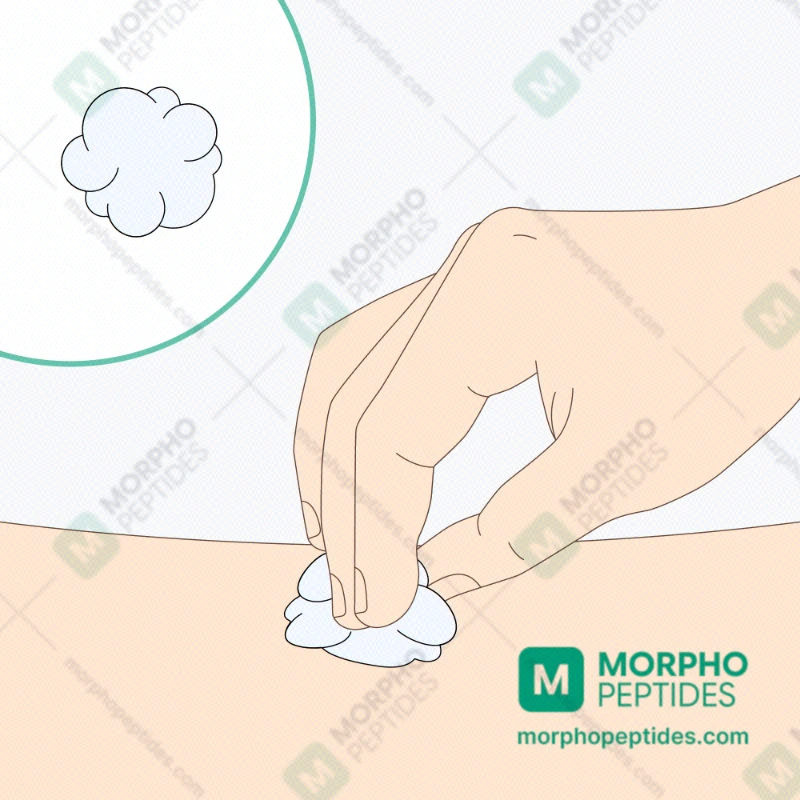
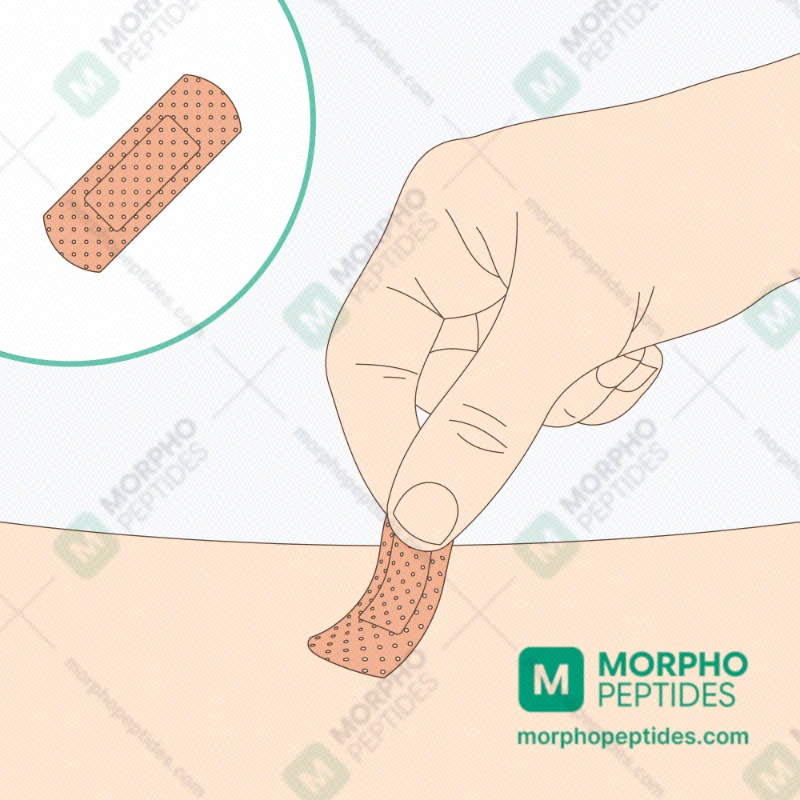
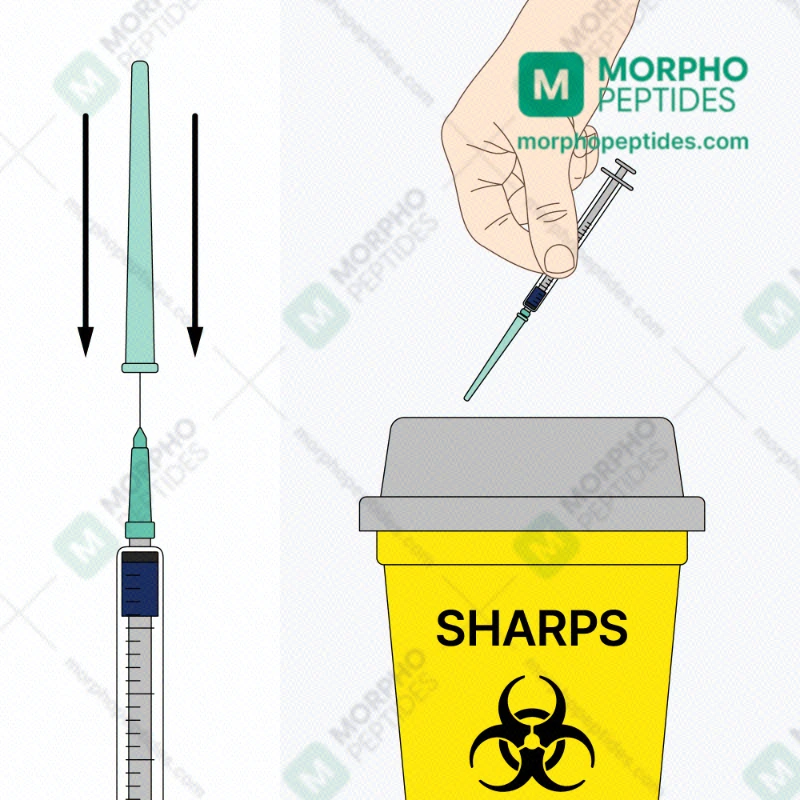
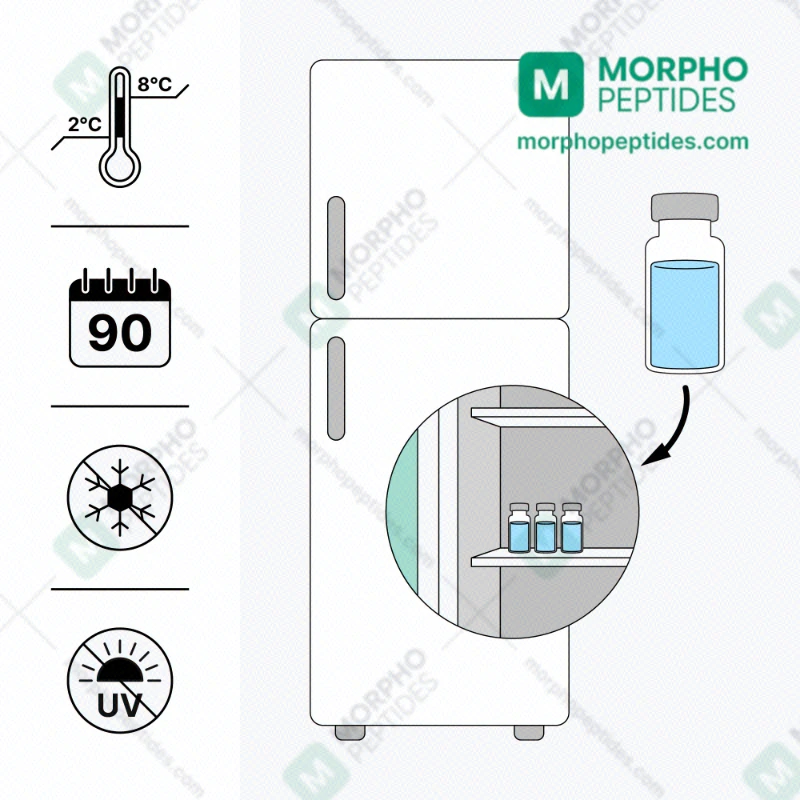
Our own 17-step illustrated guide, from mixing to storage.
How to use BPC-157
Our own 17-step illustrated guide, from mixing to storage.
My knee tendon issue improved noticeably within 2 weeks. This is my go-to recovery peptide now.
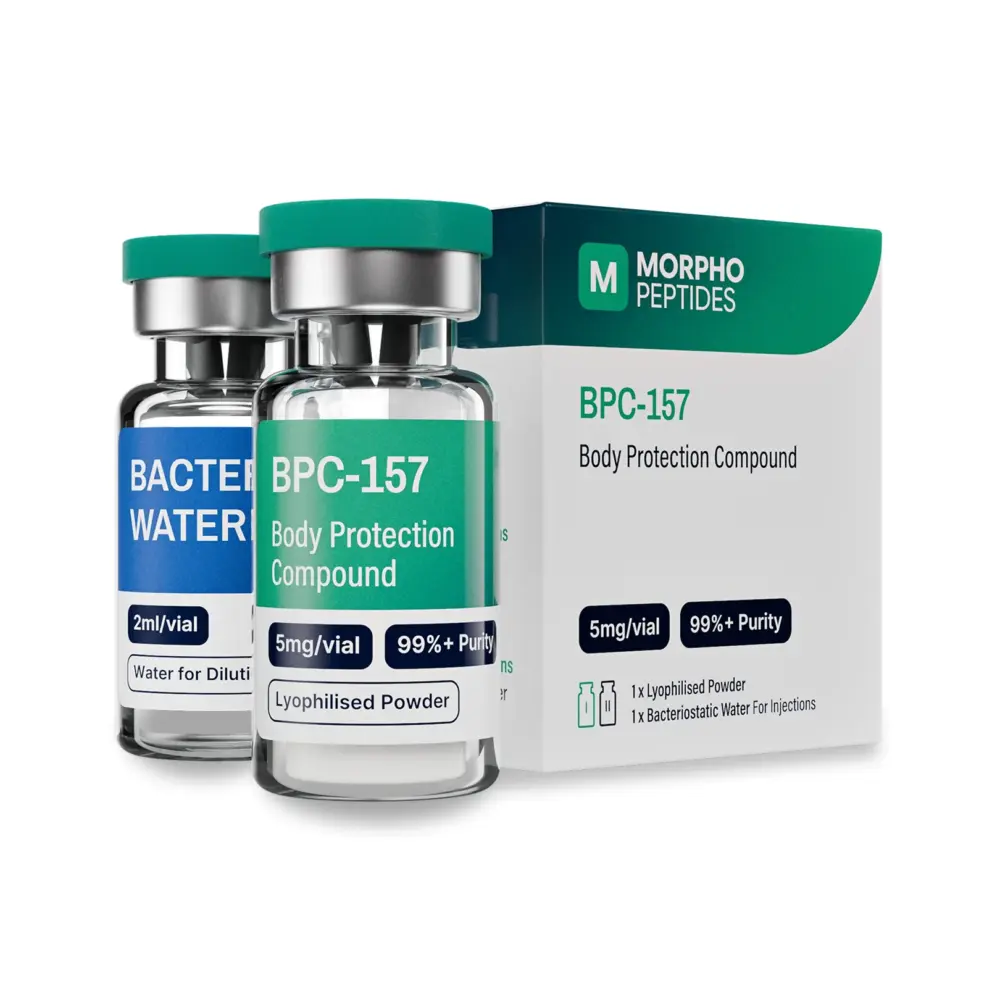
BPC-157 (Body Protection Compound-157) is a synthetic pentadecapeptide – a chain of 15 amino acids – derived from a protective protein naturally found in human gastric juice. Since its discovery, BPC-157 has become one of the most widely researched and used peptides in the recovery and healing space, earning a reputation as the “Wolverine peptide” for its remarkable regenerative properties.
What makes BPC-157 unique is its extraordinary versatility. Unlike most compounds that target a single tissue type, BPC-157 has demonstrated healing effects across tendons, ligaments, muscles, the gastrointestinal tract, bones, and even the nervous system. This broad-spectrum healing action is believed to stem from its ability to modulate multiple growth factor pathways simultaneously.
BPC-157 accelerates the body’s natural repair processes through several interconnected mechanisms:
Research and clinical reports have documented BPC-157’s effectiveness across a wide range of conditions:
BPC-157 has found a devoted following among athletes recovering from training injuries, individuals with chronic gut issues (particularly those caused by long-term NSAID use), post-surgical patients looking to accelerate recovery, and anyone dealing with stubborn tendon or ligament injuries that have failed to respond to conventional treatment. It is often described as the single most impactful recovery peptide available.
Curr Pharm Des, 2018. PubMed →
Med Sci Monit Basic Res, 2014. PubMed →
Molecules, 2014. PubMed →
J Orthop Res, 2003. PubMed →
This peptide is commonly administered once or twice daily in research and practical use protocols. Depending on the application being investigated, administration may be targeted to a specific area or used more systemically.
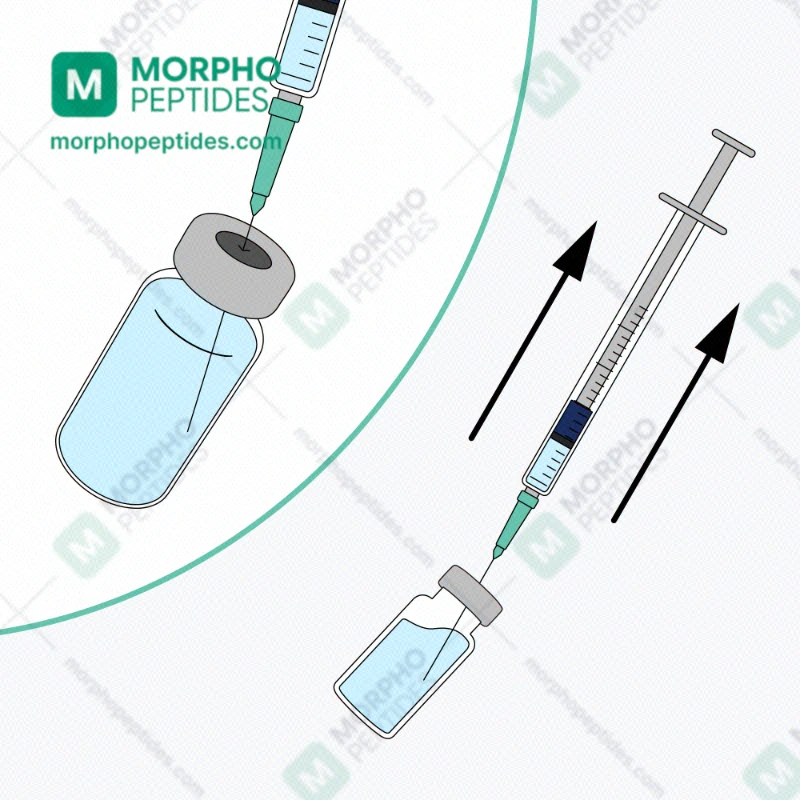
Add 2 mL of bacteriostatic water to the 5 mg vial to achieve a concentration of 2.5 mg/mL (2,500 mcg/mL). At this concentration, 10 units on a U-100 insulin syringe corresponds to 250 mcg.
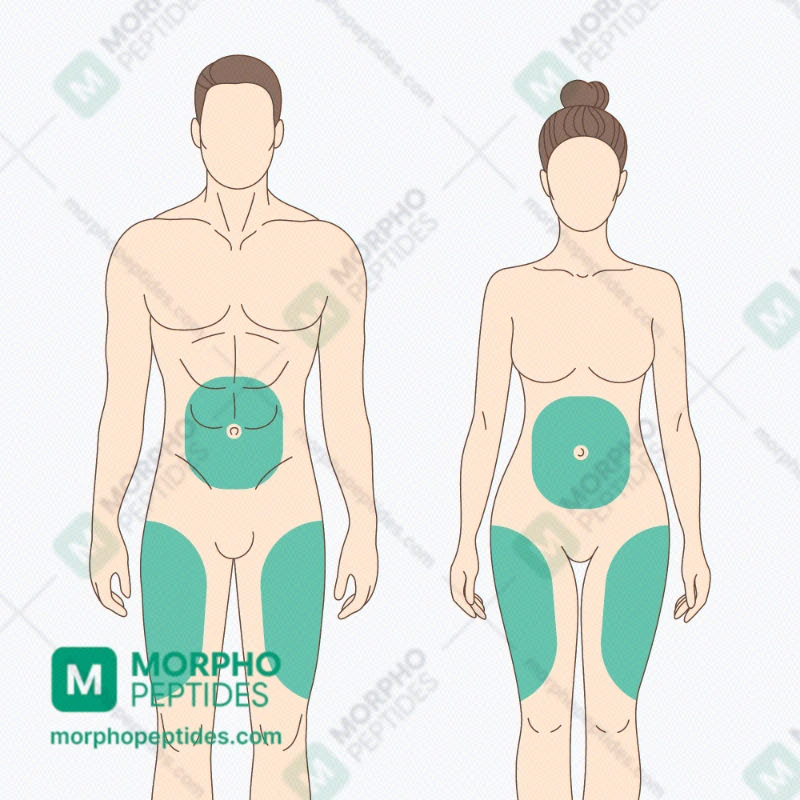
For research involving tendons, muscles, or joints, subcutaneous injections are often placed near the area being investigated. For gastrointestinal or broader systemic applications, abdominal subcutaneous administration is commonly used.
Dose: 250-500 mcg daily. Those looking to buy BPC-157 online should note that administration protocols vary across published studies and practical use settings. Some protocols use a single daily administration, while others divide the dose into two administrations of 250 mcg.
Typical protocols range from 4-8 weeks, consistent with the cycle length shown in the product specifications. Longer protocols are sometimes used depending on the application being investigated.
BPC-157 and TB-500 are frequently used together in peptide research. The pentadecapeptide has been explored in relation to angiogenesis (the formation of new blood vessels), growth factor signaling, and tissue repair pathways, while TB-500 is commonly examined for its role in cell migration and tissue remodeling. Both peptides continue to be studied across a range of recovery-focused research models.
Free shipping on orders over £220.
Short acute recovery - soft-tissue & gut repair starter. · 4 Weeks
In a small clinic review, people with knee pain got one BPC-157 injection into the joint. 91.6% said their pain improved significantly.
Rats got BPC-157 injections in three stomach ulcer models. It cut ulcer formation by 59.9% to 65.6%. Famotidine, a standard ulcer drug, cut it by 34.3% to 60.8% in the same models.
Xue et al., World Journal of Gastroenterology, 2004Rats with a cut Achilles tendon got daily BPC-157 injections. Their tendons held more load before failing, worked better and closed the gap faster than with saline.
Staresinic et al., Journal of Orthopaedic Research, 2003Women with long-term bladder pain (interstitial cystitis) got one round of BPC-157 injections into the bladder wall. 10 of 12 said their symptoms were fully gone. No side effects were reported.
Lee et al., Alternative Therapies in Health and Medicine, 2024Two adults got BPC-157 by drip, 10 mg on day 1 and 20 mg on day 2. Blood markers for the heart, liver, kidneys, thyroid and blood sugar did not change.
Lee & Burgess, Alternative Therapies in Health and Medicine, 2025Sources: Lee E, Padgett B., Alternative Therapies in Health and Medicine 2021;27(4):8-13; Xue XC et al., World Journal of Gastroenterology 2004;10(7):1032-6; Staresinic M et al., Journal of Orthopaedic Research 2003;21(6):976-83; Lee E, Walker C, Ayadi B., Alternative Therapies in Health and Medicine 2024;30(10):12-17; Lee E, Burgess K., Alternative Therapies in Health and Medicine 2025;31(5):20-24; Sikiric P et al., Pharmaceuticals (Basel) 2024;17(4):461
My knee tendon issue improved noticeably within 2 weeks. This is my go-to recovery peptide now.
Stacking with TB-500 for a shoulder injury. The combo is working well — range of motion improving week over week.
Share your experience. Your email won't be published.
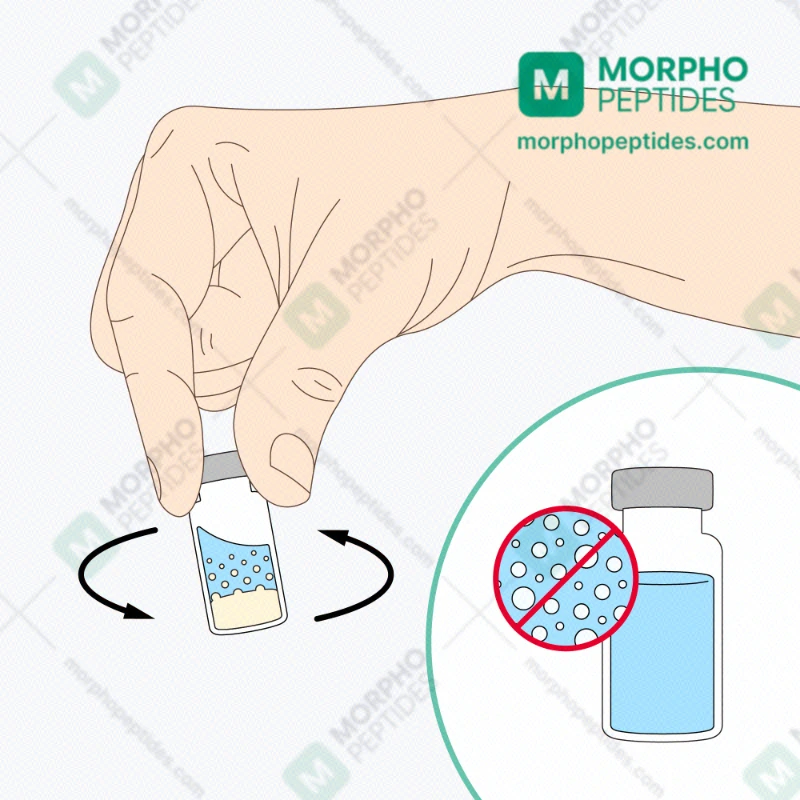
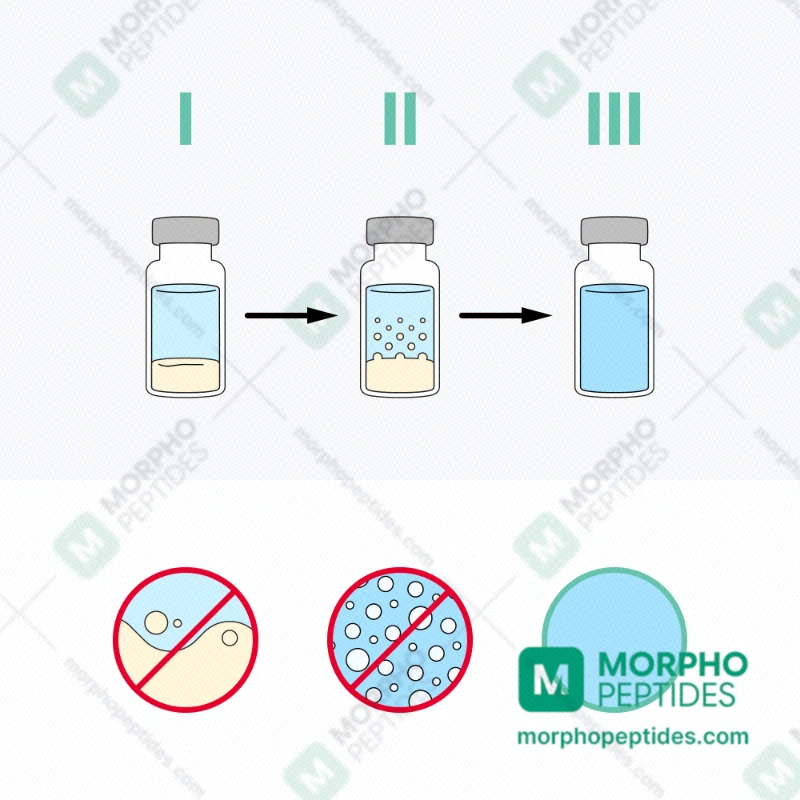
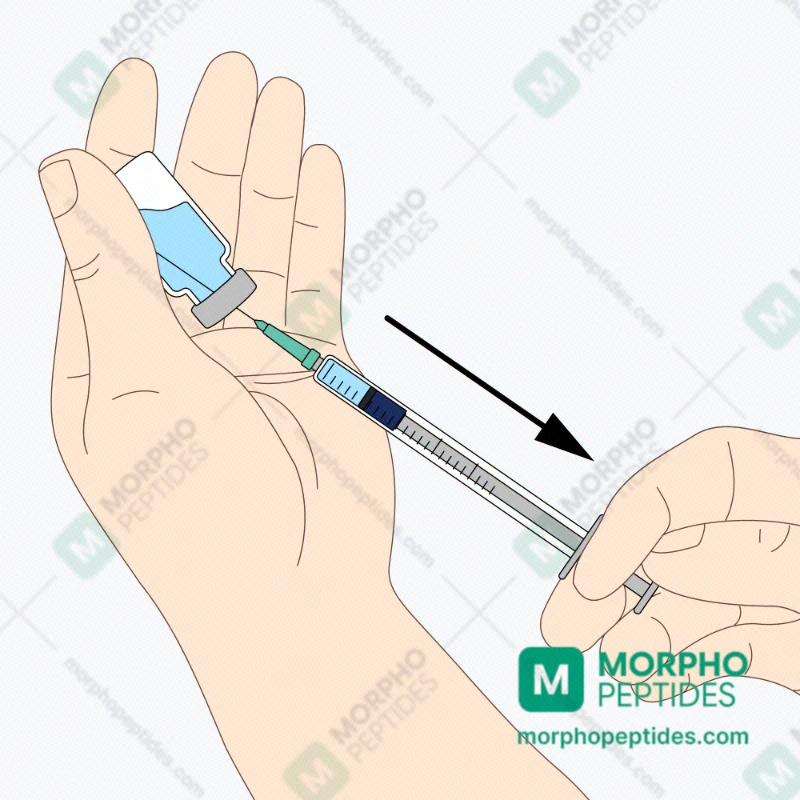
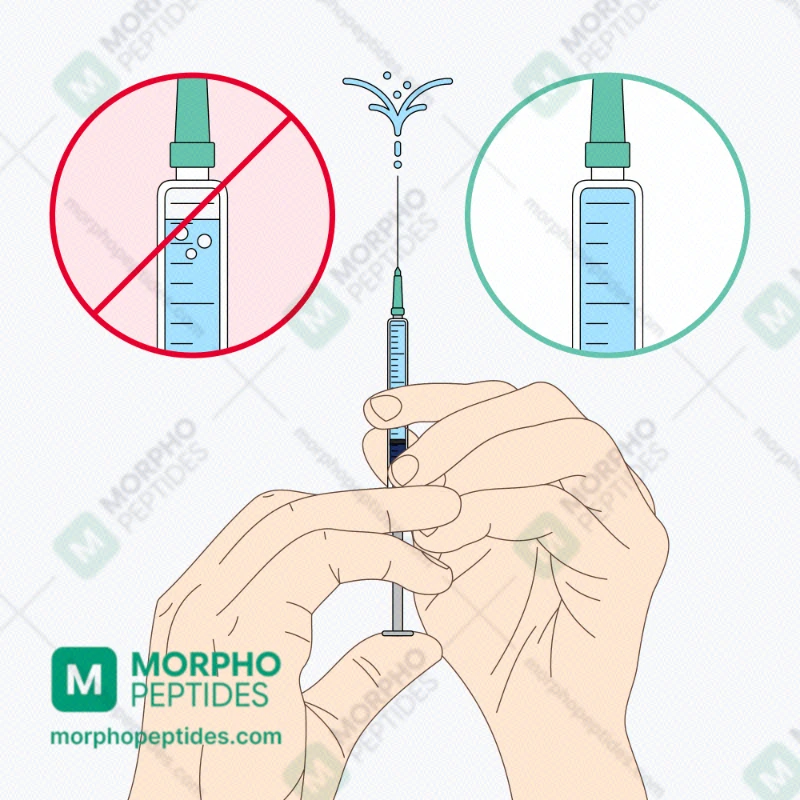
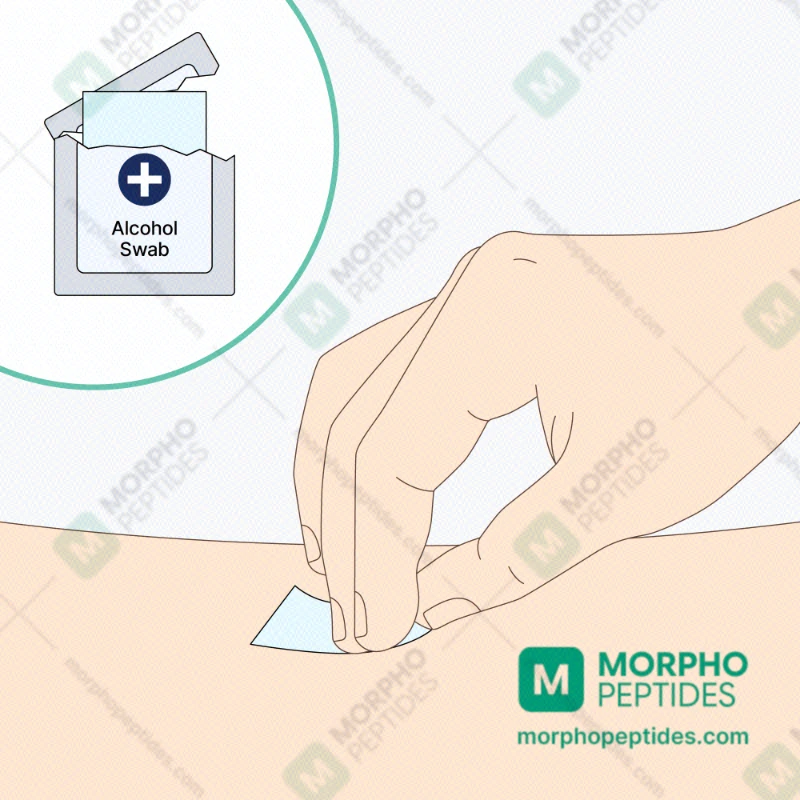
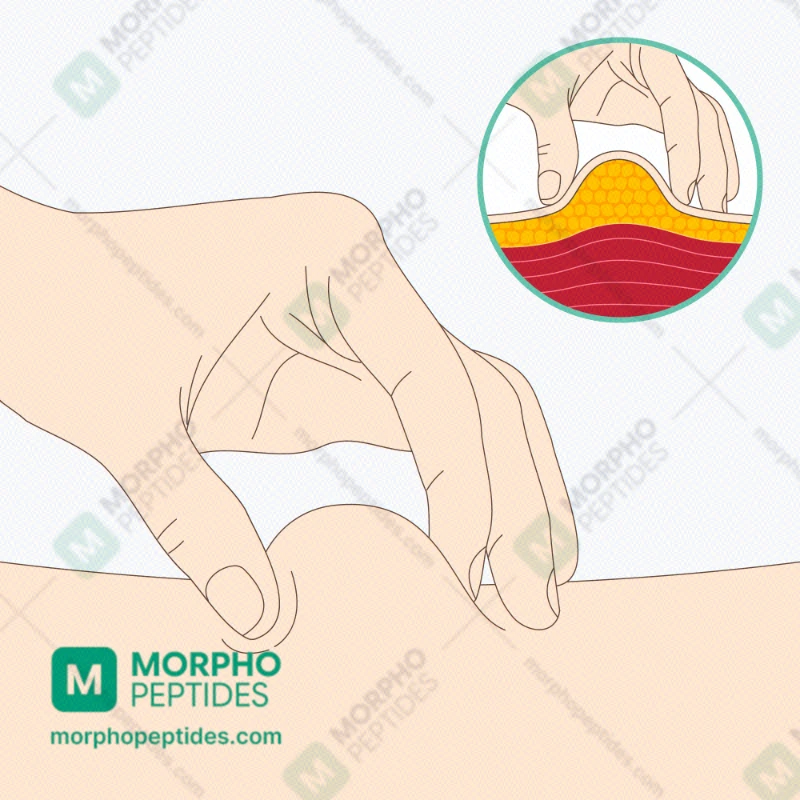
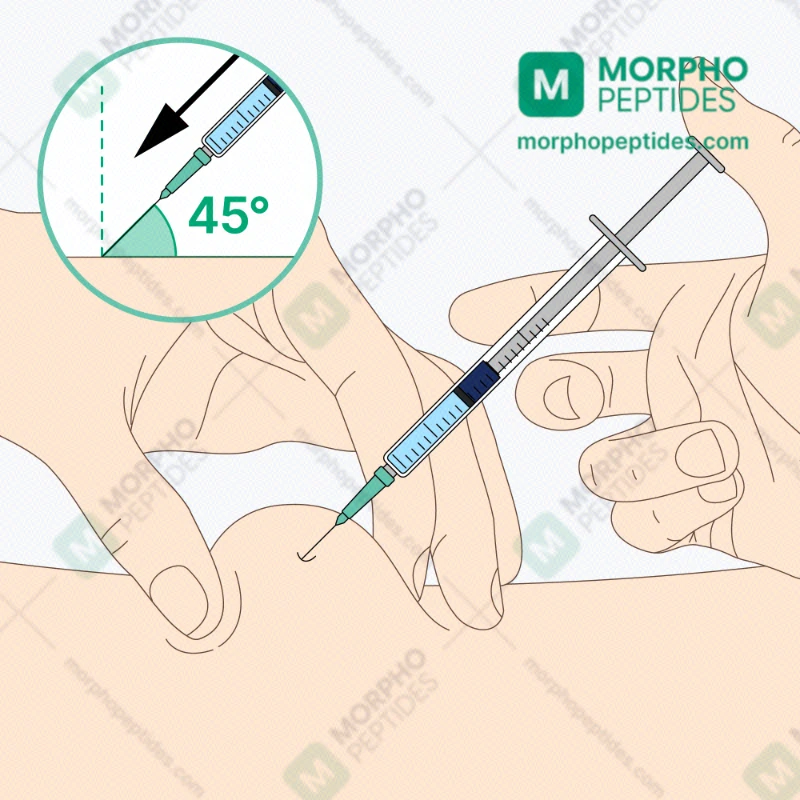
Ready in 4 steps, BAC water included. A complete visual guide to preparing, reconstituting, injecting, and storing your peptides safely. Follow each step in order.
Pre-filled for this product. Adjust values to match your protocol.