
-60%
between age
20 and 60
Dou et al., Aging Pathobiology and Therapeutics, 2020 20 and 60
Fine lines around my eyes have softened a lot after a few weeks. My skin feels firmer and looks more even.
The copper peptide studied for firmer skin and thicker hair.
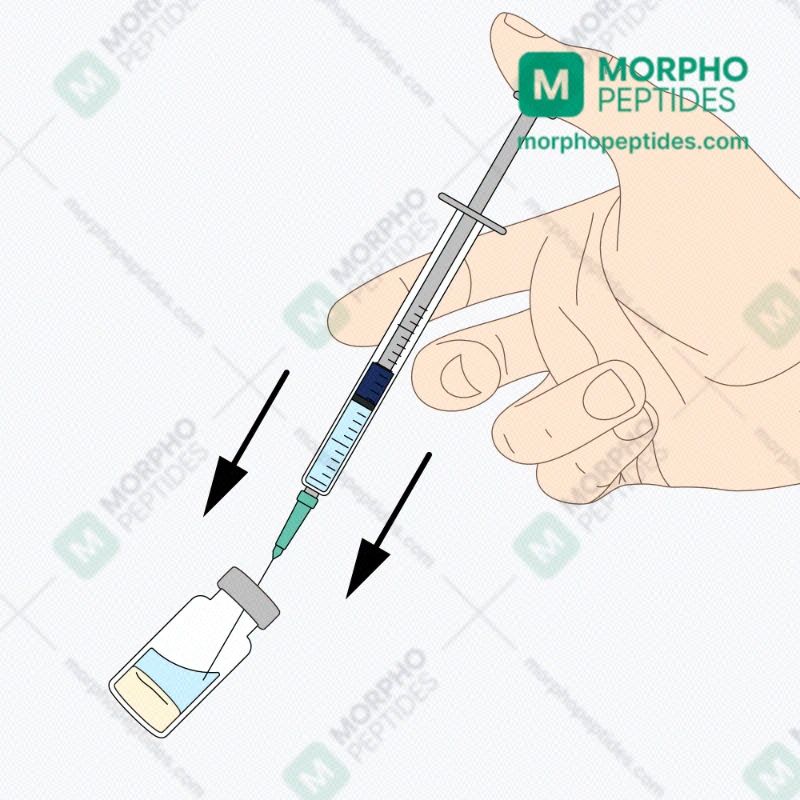 How to use GHK-Cu / Copper Peptide
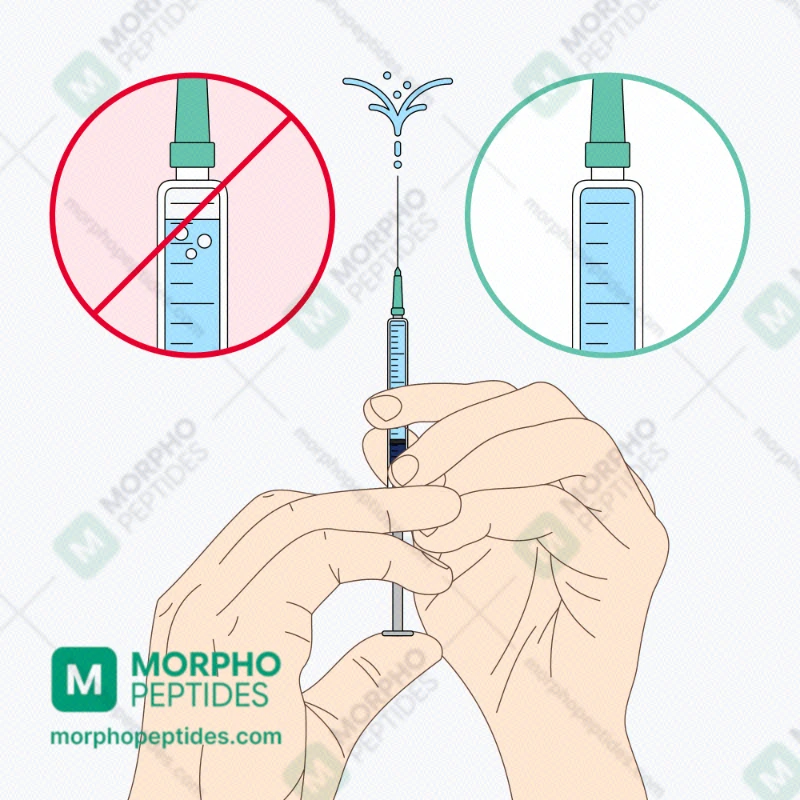
Our own 17-step illustrated guide, from mixing to storage.
How to use GHK-Cu / Copper Peptide
Our own 17-step illustrated guide, from mixing to storage.
Fine lines around my eyes have softened a lot after a few weeks. My skin feels firmer and looks more even.
GHK-Cu (Glycyl-L-Histidyl-L-Lysine Copper) is a naturally occurring copper-binding tripeptide found in human plasma, saliva, and urine. First identified in 1973, GHK-Cu gained attention when researchers discovered that plasma from young individuals (age 20–25) could stimulate old liver cells to synthesise proteins like young cells – and that GHK-Cu was the active component responsible for this rejuvenating effect.
Your body naturally produces GHK-Cu, but levels decline dramatically with age: from approximately 200 ng/ml at age 20 to just 80 ng/ml by age 60 – a 60% reduction. This decline correlates closely with the visible signs of aging: thinning skin, slower wound healing, reduced collagen production, and declining hair quality. Supplementing with GHK-Cu aims to restore youthful concentrations and reactivate the tissue remodelling processes that slow with age.
GHK-Cu is effective through both topical application and subcutaneous injection, but the benefits differ. Topical GHK-Cu primarily benefits the skin: reducing fine lines, improving firmness, fading hyperpigmentation, and accelerating wound healing at the application site. Injectable GHK-Cu provides systemic benefits: whole-body collagen support, systemic anti-inflammatory effects, and support for internal tissue remodelling. Many users do both – topical for targeted skin benefits and injectable for system-wide rejuvenation.
GHK-Cu is ideal for anyone concerned with skin aging (fine lines, loss of firmness, dullness), individuals recovering from skin injuries or surgical procedures, those experiencing age-related hair thinning, and anyone over 30 who wants to proactively support their body’s declining natural GHK-Cu production.
Biomed Res Int, 2015. PubMed →
Oxid Med Cell Longev, 2012. PubMed →
J Cosmet Dermatol, 2002. PubMed →
This compound is commonly used both topically and by subcutaneous injection. The method chosen often depends on the intended application.
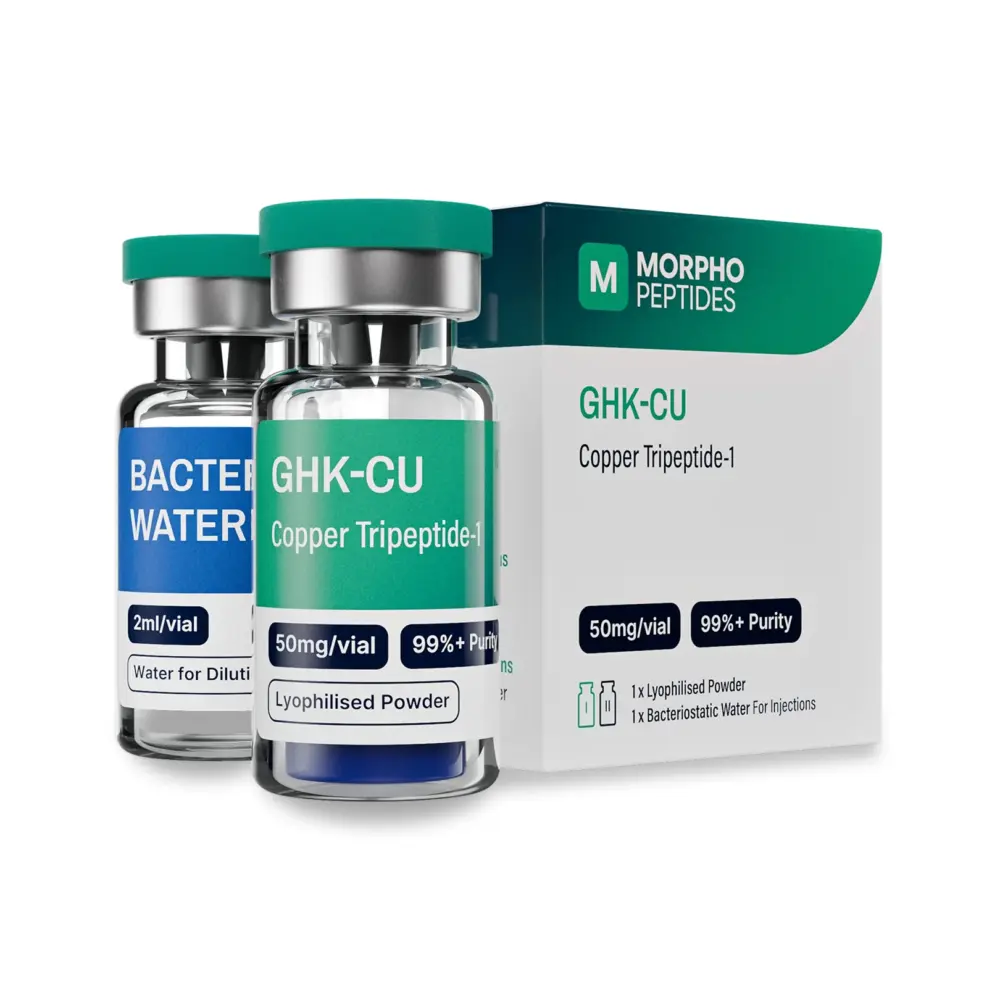
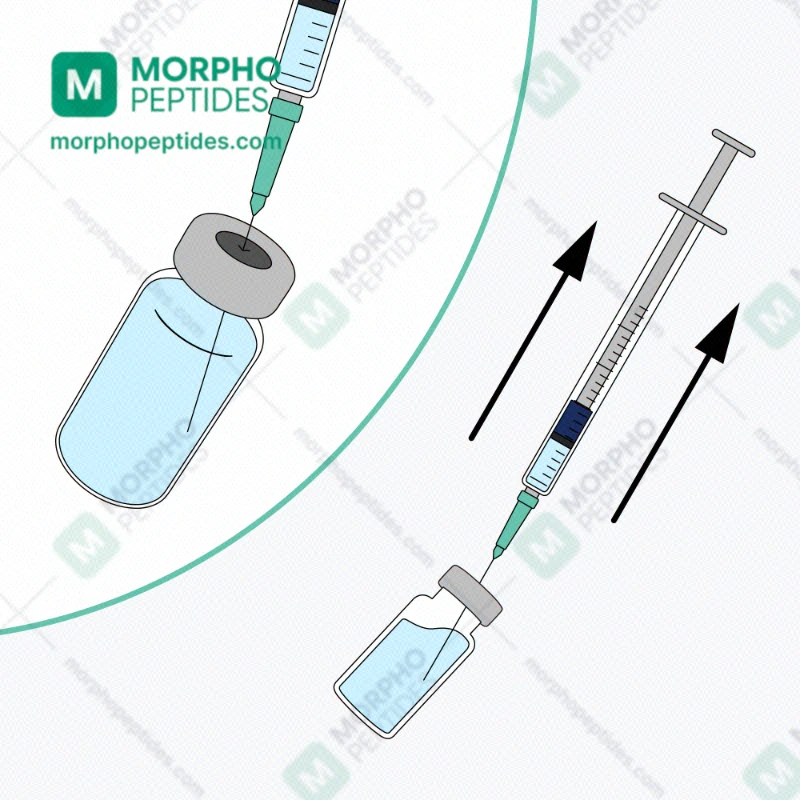
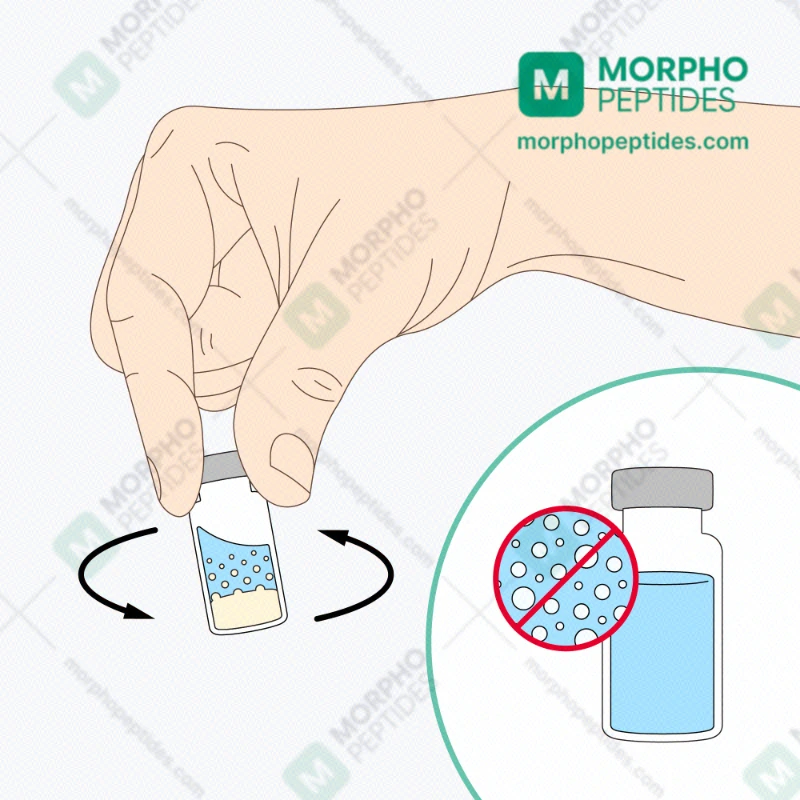
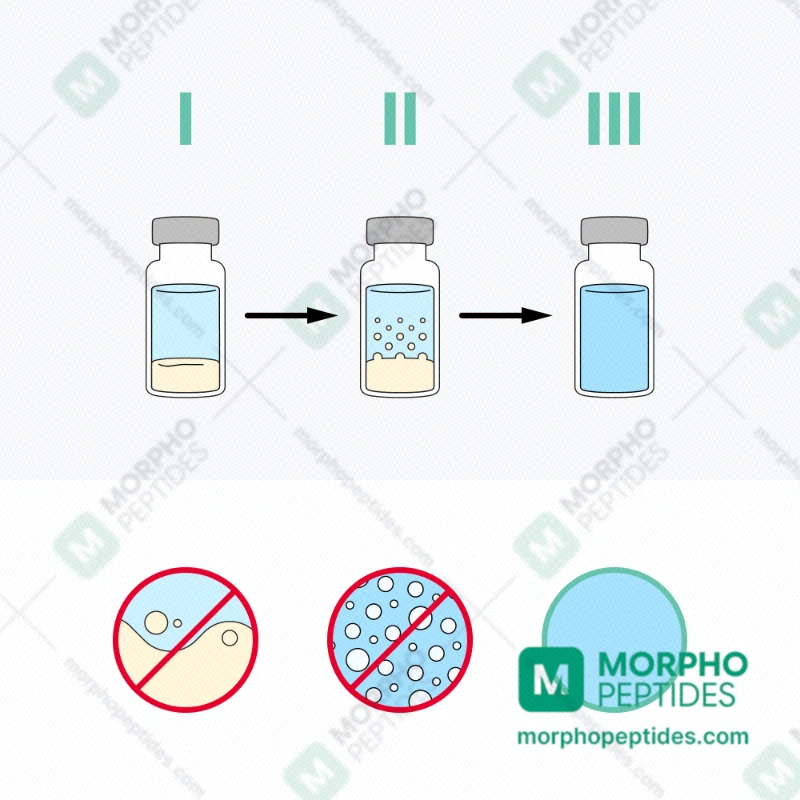
Add 2ml of bacteriostatic (BAC) water to the 50mg vial to achieve a concentration of 25mg/ml. The lyophilized powder dissolves readily. A slight blue tint may be visible due to the copper content and is generally considered normal.
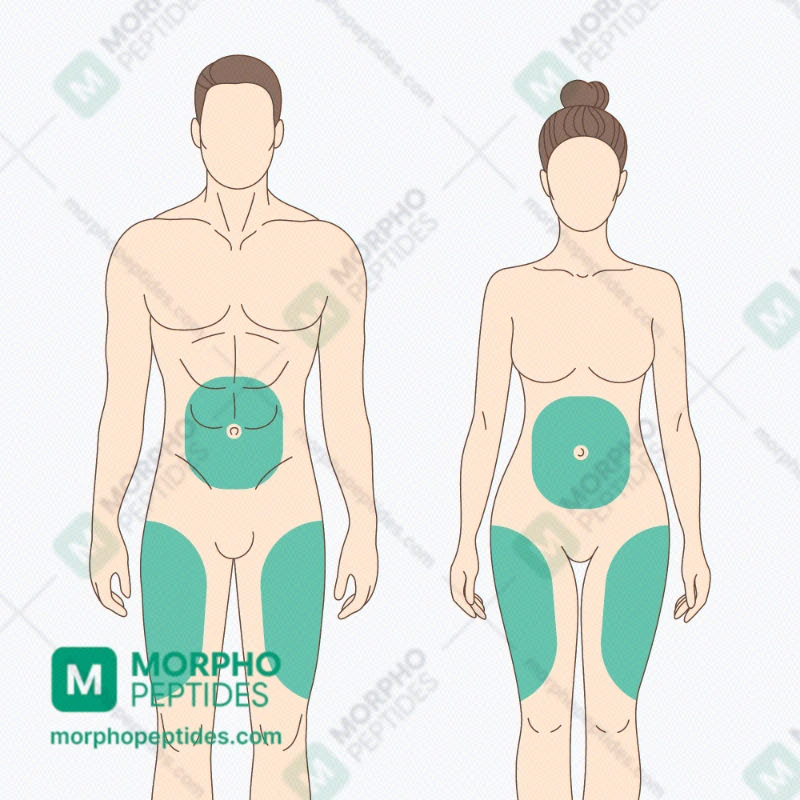
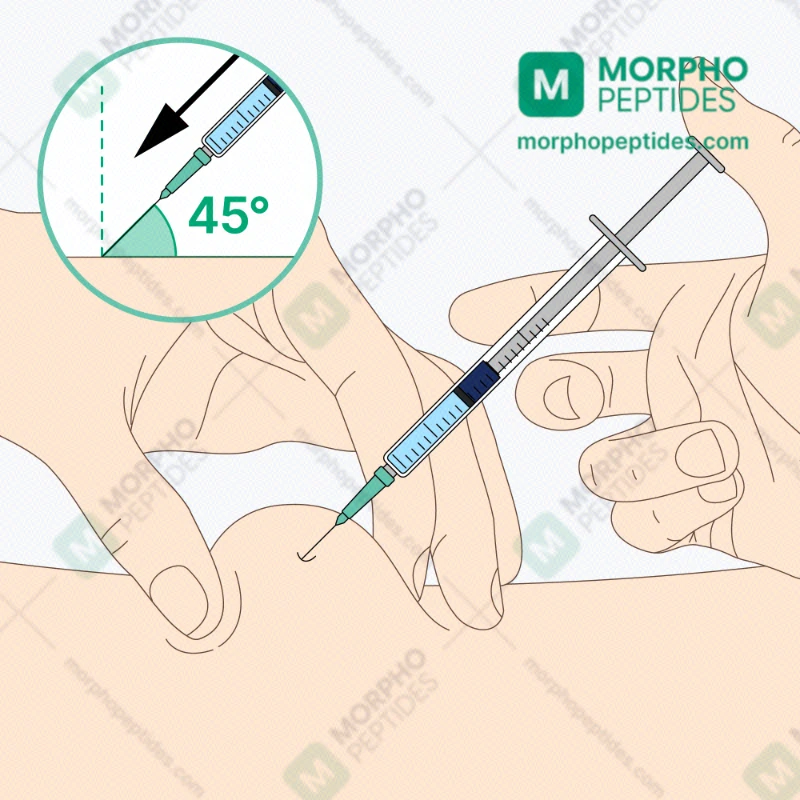
For injectable use, a typical GHK-Cu / Copper Peptide dosage is 1-2mg daily by subcutaneous injection. The abdominal area is commonly used for administration. Some users also choose sites closer to specific areas of interest. Protocols are often run for 4-8 weeks, followed by a 4-week break before repeating.
The peptide may be mixed into a carrier cream or serum for topical application. It is commonly applied to clean skin on the face, neck, or hands once or twice daily. Unlike injectable protocols, topical use is often discussed without a defined cycling schedule.
Free shipping on orders over £220.
Core longevity stack - cellular, skin, mitochondrial. · Standard (~8 wk)
GHK levels in human blood average 200 ng/ml at age 20, and fall to an average of 80 ng/ml by age 60.
Rats got repeated GHK-Cu injections into a healing wound area. Collagen, protein and DNA built up there, more with higher doses. Collagen synthesis rose twice as much as other proteins. Collagen is the protein that keeps skin firm.
Maquart et al., Journal of Clinical Investigation, 1993GHK-Cu in liposomes made human blood vessel cells multiply at a 33.1% higher rate. The cells also made more VEGF and FGF-2, two growth signals for new blood vessels.
Wang et al., Wound Repair and Regeneration, 2017A review of GHK-Cu research lists larger hair follicle size among its effects. It also lists more collagen and elastin, and faster growth of skin cells.
Pickart, Journal of Biomaterials Science, Polymer Edition, 2008Gene data show GHK can raise or lower the activity of at least 4,000 human genes. Researchers link this to its repair and protective actions in skin.
Pickart et al., BioMed Research International, 2015Sources: Dou Y et al., Aging Pathobiology and Therapeutics 2020;2(1):58-61; Maquart FX et al., Journal of Clinical Investigation 1993;92(5):2368-2376; Wang X et al., Wound Repair and Regeneration 2017;25(2):270-278; Pickart L, Journal of Biomaterials Science, Polymer Edition 2008;19(8):969-988; Pickart L, Vasquez-Soltero JM, Margolina A, BioMed Research International 2015;2015:648108
Fine lines around my eyes have softened a lot after a few weeks. My skin feels firmer and looks more even.
Hair density seems to be improving around the temples. Only 6 weeks in but cautiously optimistic. Great product quality.
Share your experience. Your email won't be published.
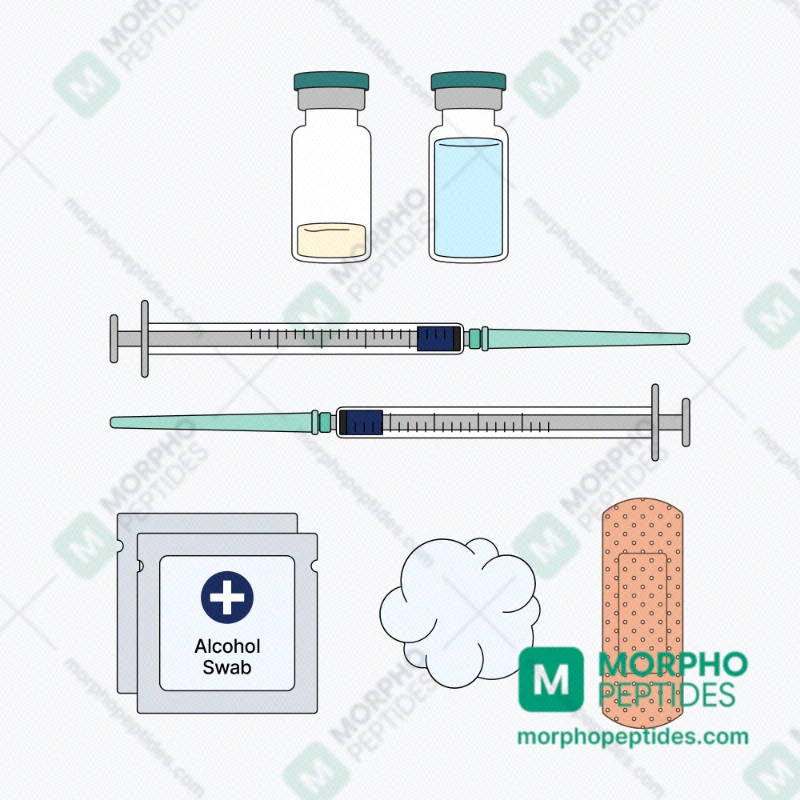
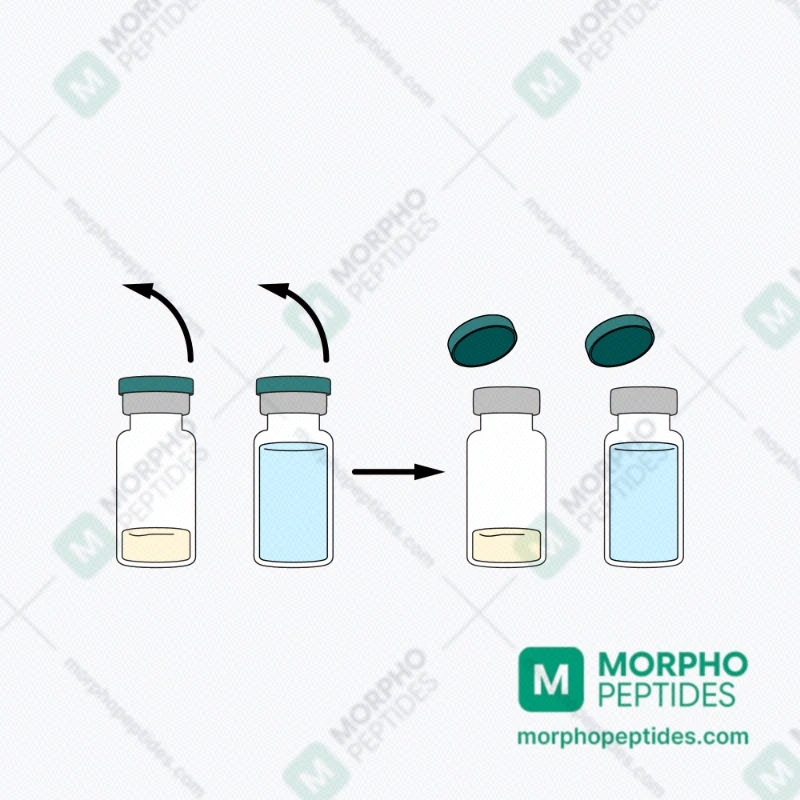
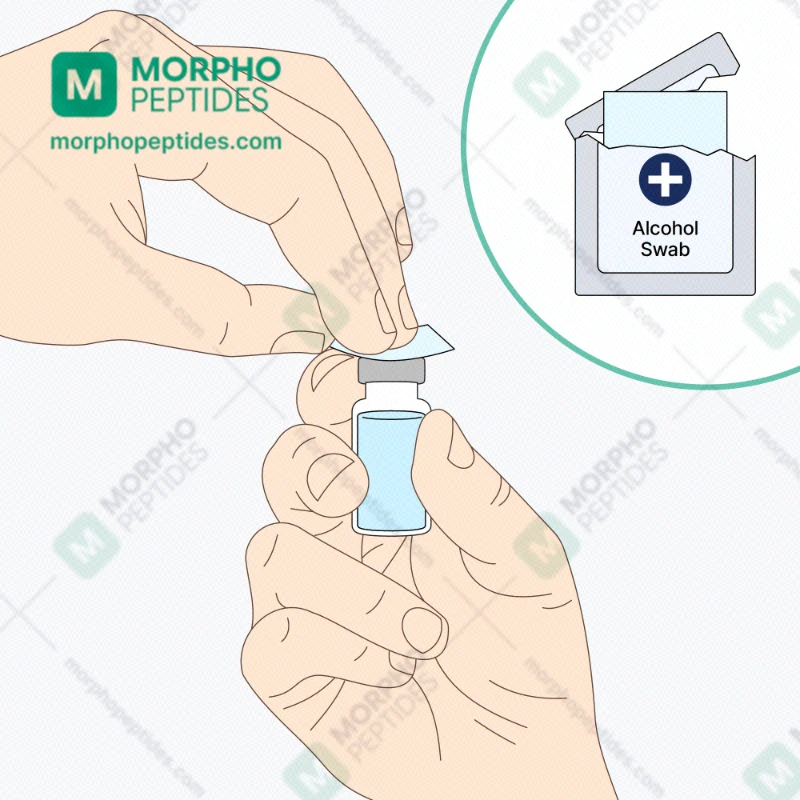
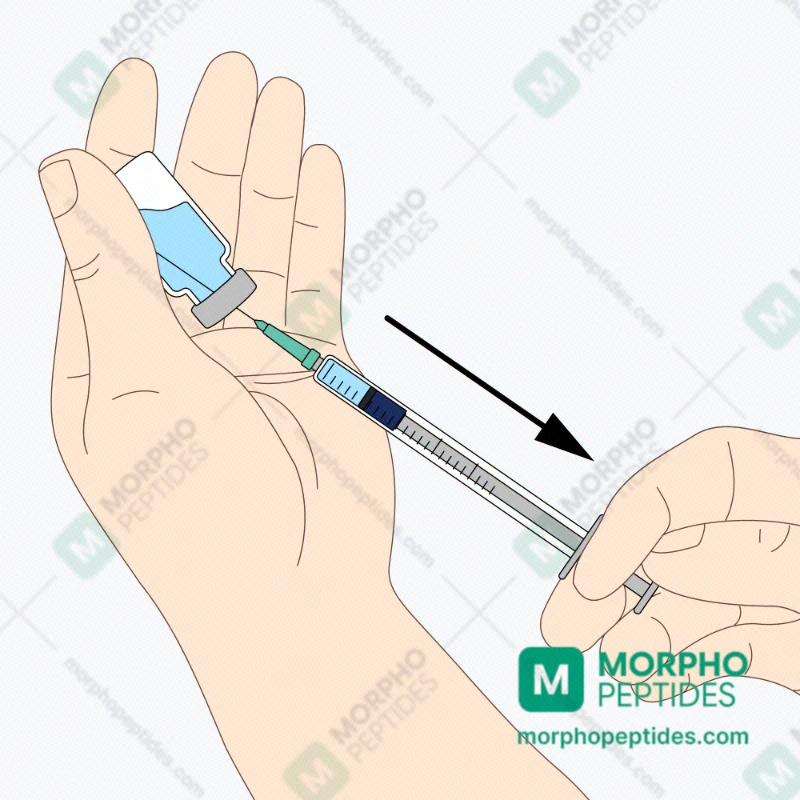
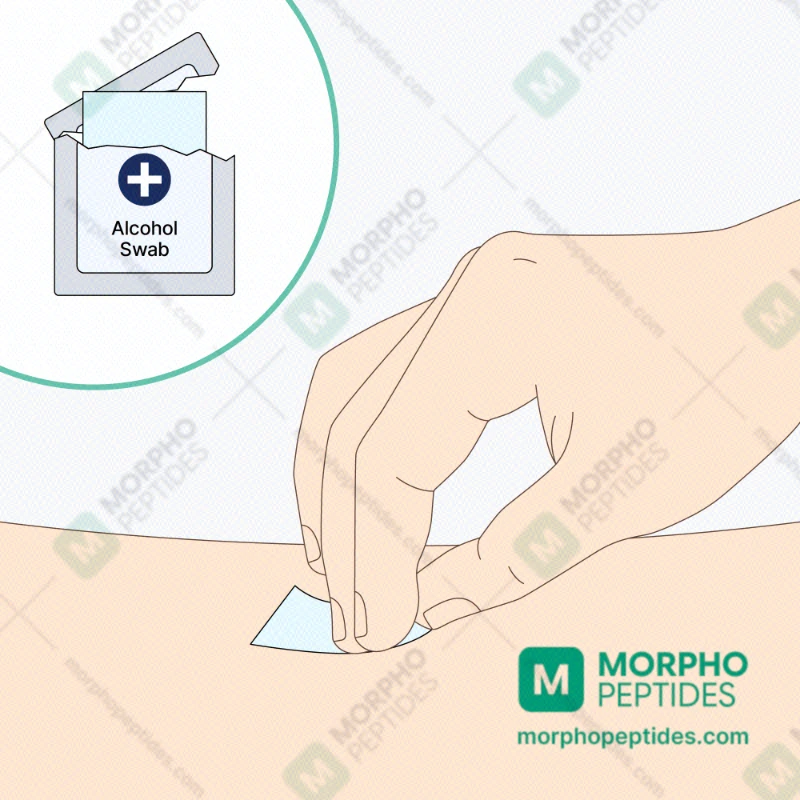
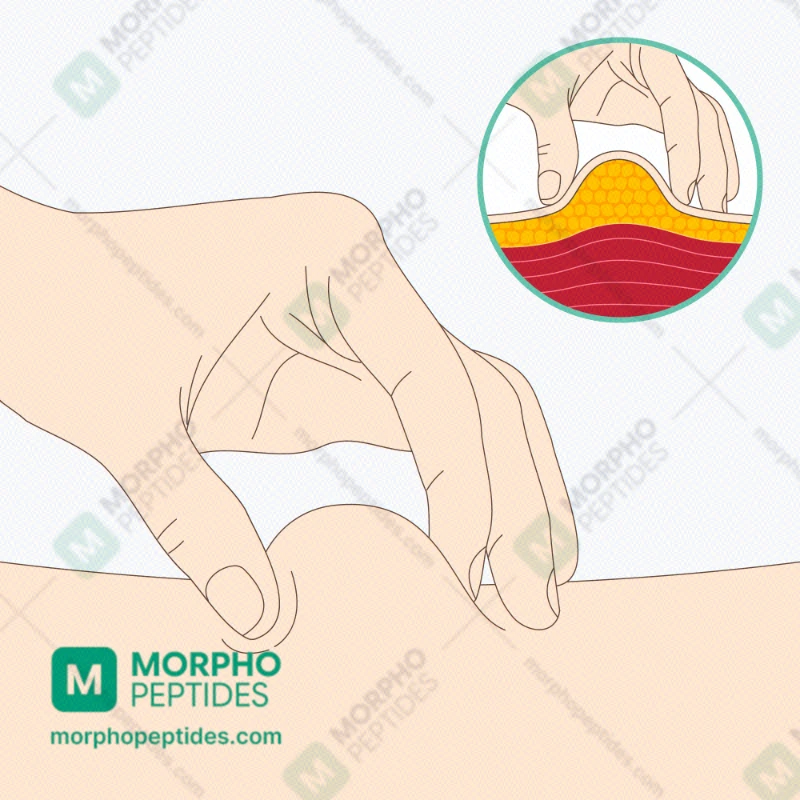
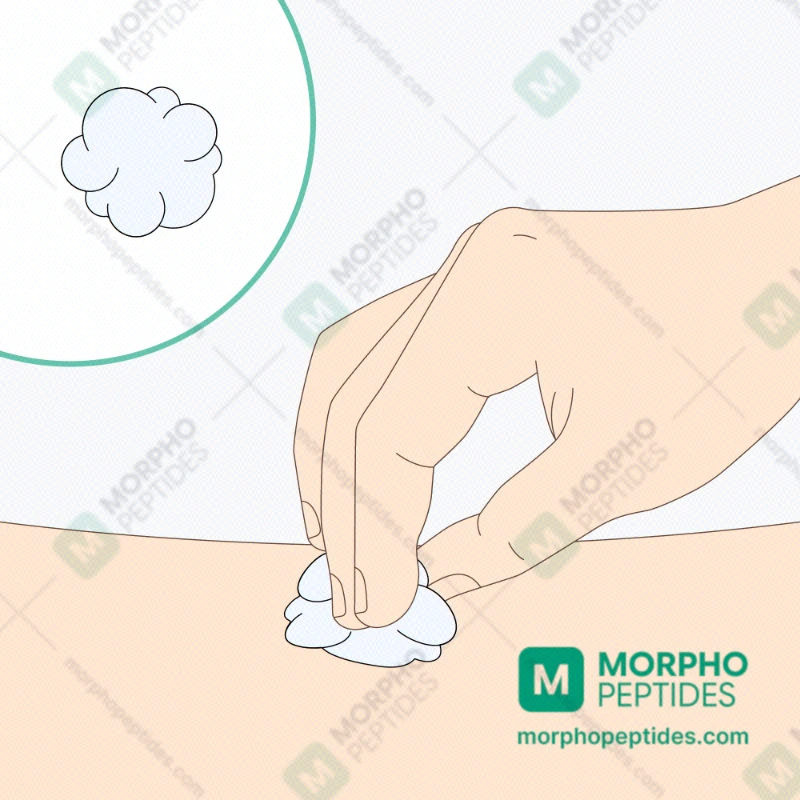
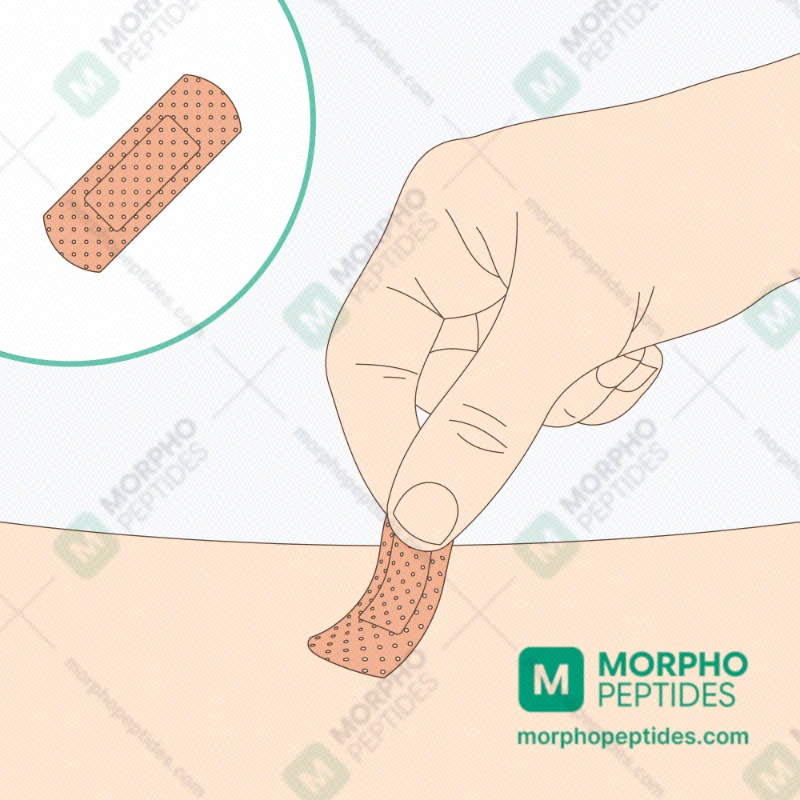
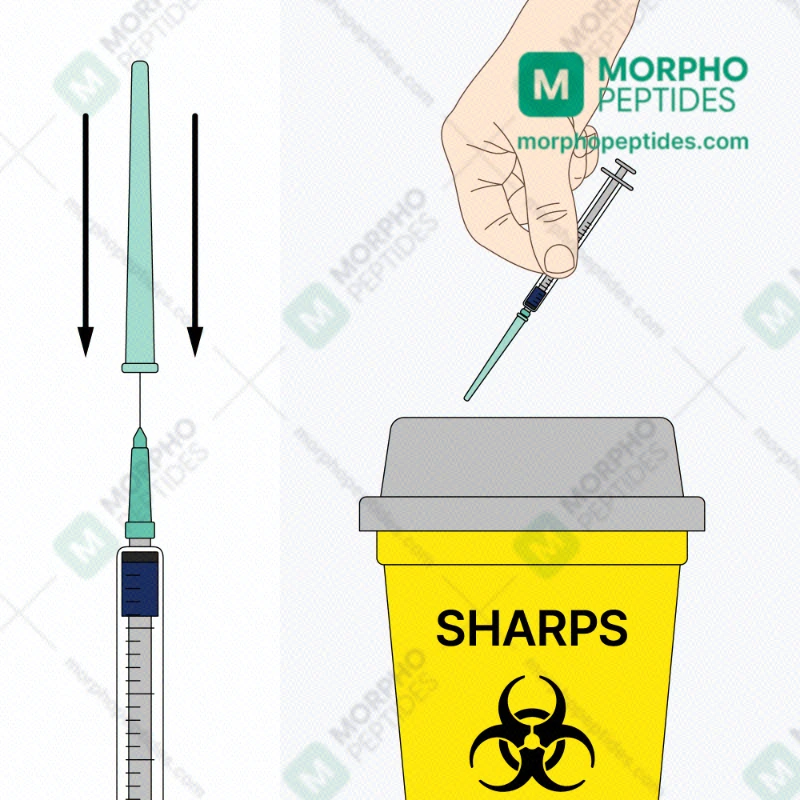
Ready in 4 steps, BAC water included. A complete visual guide to preparing, reconstituting, injecting, and storing your peptides safely. Follow each step in order.
Pre-filled for this product. Adjust values to match your protocol.